
By late winter in Circle Pines, most homeowners are tired. Tired of shoveling. Tired of scraping windshields. Tired of watching snow pile up along the roofline and wondering if that faint ceiling stain has always been there.
Here’s the thing about late winter in Minnesota: it’s sneaky. The biggest roof problems often show up when temperatures swing back and forth between freezing nights and sunny afternoons. Snow melts. Water runs. Then it freezes again. That cycle can quietly stress your roof until it gives in.
The good news? A little preparation now can save you from major headaches when spring storms arrive.
Key Takeaways
- Late winter freeze-thaw cycles are one of the biggest threats to your roof
- Ice dams form when insulation and ventilation aren’t working properly
- Snow buildup adds weight and traps moisture
- Small roof issues become expensive interior repairs if ignored
- A professional inspection helps catch hidden problems early
Let’s talk about what you can do right now to protect your Circle Pines home before winter throws one last punch.
Why Is Late Winter So Hard on Roofs in Circle Pines?
Because melting and refreezing create pressure where you can’t see it
In late winter, daytime temperatures often rise above freezing while nights drop back into the teens. That fluctuation is tough on roofing systems.
Here’s what happens:
- Snow melts on the upper roof where heat escapes
- Water runs down toward colder eaves
- It refreezes at the roof edge
- Ice builds up and blocks proper drainage
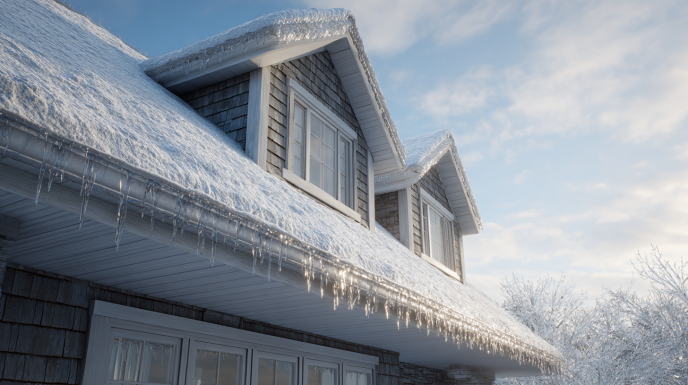
That blockage creates what’s known as an ice dam. Water backs up under shingles and seeps into the home.
Circle Pines homes, especially those with older insulation systems, are particularly vulnerable to this cycle. The longer snow sits on your roof, the more opportunity it has to cause problems.
What Are the Warning Signs of Late Winter Roof Trouble?
Your house will usually whisper before it screams
You don’t need to climb onto your roof to spot potential issues. Keep an eye out for these signs:
- Icicles forming along the eaves
- Thick ridges of ice at the roof edge
- Water stains on ceilings or walls
- Damp attic insulation
- Peeling paint near rooflines
- Sagging gutters
Icicles might look picturesque, but they often signal heat escaping from your attic. That escaping heat contributes to uneven melting and ice dam formation.
If you notice water spots indoors, don’t ignore them. By the time water reaches drywall, it’s already made a journey through your roofing system.
How Can You Reduce the Risk of Ice Dams?
Control heat, improve airflow, and manage snow buildup
Preventing ice dams starts with managing temperature differences between your attic and the outdoors.
Here are practical steps homeowners in Circle Pines can take:
- Ensure attic insulation is evenly distributed
- Seal air leaks around attic hatches and light fixtures
- Keep soffit and ridge vents clear of blockages
- Safely remove excessive snow buildup from the roof edge
- Clean gutters before freeze-up
Proper ventilation allows cold air to circulate through the attic, keeping roof temperatures more consistent. Insulation prevents indoor heat from escaping upward.
If you’re unsure whether your ventilation system is working correctly, a professional evaluation can identify problem areas.
Should You Remove Snow From Your Roof?
Sometimes yes—but carefully and safely
Snow adds weight. Most modern roofs are built to handle significant loads, but excessive accumulation combined with ice can create stress.
If snow depth exceeds a foot or two, especially after multiple storms, removal may be wise.
Important guidelines:
- Use a roof rake from the ground
- Never climb onto a snowy or icy roof
- Remove snow evenly to prevent imbalance
- Avoid chipping at ice with sharp tools
Trying to hack away at ice dams can damage shingles and flashing. In many cases, professional steam removal is safer and more effective.
Safety always comes first.
How Does Late Winter Impact Roof Shingles?
Temperature swings weaken already stressed materials
Asphalt shingles expand and contract with temperature changes. After months of cold weather, they’re more brittle.
When late winter storms bring wind or additional snow, shingles that have been stressed all season may crack or loosen.
You might not notice missing granules or lifted tabs until spring. But by then, moisture may have already worked its way underneath.
That’s why late winter inspections are so valuable. Catching small vulnerabilities now prevents larger issues during spring rainstorms.
What Role Does Your Attic Play in Roof Protection?
Your attic is the unsung hero—or the hidden villain
Roof performance depends heavily on what’s happening underneath.
A properly functioning attic should:
- Maintain consistent cold temperatures in winter
- Have balanced intake and exhaust ventilation
- Contain adequate insulation
- Remain dry and mold-free
If warm air is trapped in the attic, snow melts unevenly. If ventilation is blocked, moisture builds up. Over time, that trapped moisture can rot decking and reduce shingle lifespan.
Many homeowners focus only on what they can see from the outside. But in late winter, attic conditions often tell the real story.
When Should You Schedule a Professional Roof Inspection?
Before spring thaw makes problems worse
Late winter is an ideal time for a roof check, especially if your home has experienced:
- Heavy snowfall
- Noticeable ice dams
- Interior water stains
- High winds during winter storms
A professional inspection includes:
- Exterior shingle assessment
- Flashing and penetration checks
- Gutter evaluation
- Attic moisture and ventilation review
- Photo documentation of findings
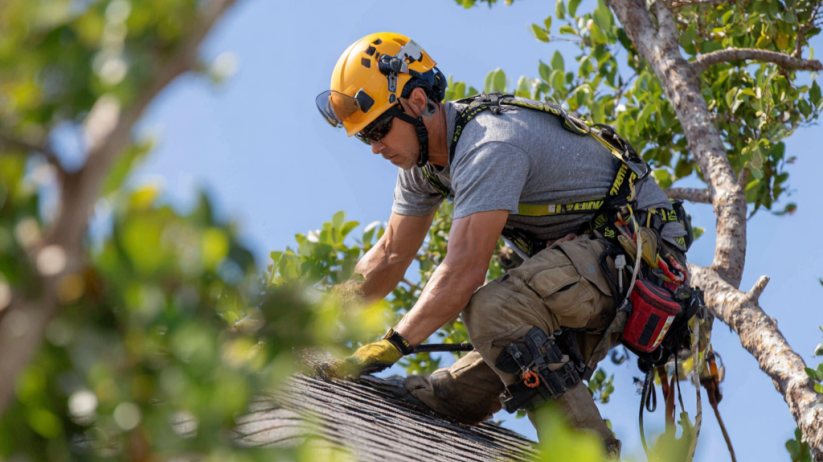
Homes in Circle Pines face the same harsh weather patterns seen throughout the northern metro. Working with a contractor familiar with conditions near Minneapolis ensures recommendations are tailored to local climate realities.
How Can You Prepare Now for Spring Storm Season?
Prevention today avoids emergency repairs tomorrow
As winter winds down, take proactive steps:
- Schedule an inspection before heavy spring rains
- Address minor repairs immediately
- Review your homeowner’s insurance coverage
- Trim overhanging tree branches
- Plan for gutter cleaning once snow melts
Late winter is about preparation, not panic.
You can’t control Minnesota weather. But you can control how ready your home is for it.