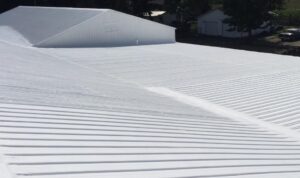

Ice dams on a Minnesota roof usually start inside the house. Heat and warm air that leak from your living space into the attic melt the snow on the roof, and the meltwater refreezes at the cold eave. That is why attic air sealing, followed by insulation, is the fix that goes after the cause. Adding roof vents does not, and it can make the problem worse.
This guide explains how ice dams form, where warm air gets into a Twin Cities attic, why the order of the work matters, and where roof ventilation fits. It also covers when you need a roofer and when you need an attic specialist.
Key Takeaways
The short version, from University of Minnesota Extension, the Minnesota Department of Commerce and ENERGY STAR:
- Ice dams form when heat from the house melts roof snow, and in many homes the biggest source of that heat is warm air leaking from the living space into the attic.
- The long-term fix goes in order: seal the air leaks between the house and attic first, then add insulation. The two jobs belong in one project.
- Roof vents play a supporting role. The Minnesota Department of Commerce warns that adding roof vents will not eliminate ice dams and often makes the problem worse.
- Have the attic assessed and the roof inspected. A roofer checks for ice dam damage, and an insulation or energy specialist handles the air leaks and insulation depth.
What Causes Ice Dams on Minnesota Roofs?
Ice dams form when heat from the house warms part of the roof, melts the snow on it, and the water refreezes where the roof surface is colder. The University of Minnesota Extension explains in its guide to dealing with and preventing ice dams that this takes snow on the roof and a roof surface that is above freezing in one place and below freezing in another. Water backed up behind the dam finds cracks in the roof covering and reaches the attic, walls and ceilings.
The heat comes primarily from the house itself. Extension says that in many homes, air leaking through ceiling openings such as light fixtures is the major way heat reaches the attic and leads to ice dams. The Minnesota Department of Commerce makes the same point in a February 2019 energy tip on ice dams: ice dams are not caused by roofing, ventilation or gutter problems, and the real problem is a home that is leaking warm air.
Why Does Attic Air Sealing Come Before Insulation and Roof Vents?
Attic air sealing comes first because it stops the heat at its source, and insulation and vents only work well once that source is closed. Extension lists the long-term fix in this order: first make the ceiling airtight so no warm, moist air flows from the house into the attic, then consider more ceiling or roof insulation to cut the heat that moves through by conduction. ENERGY STAR’s attic air sealing guide follows the same sequence and says the EPA recommends doing the attic insulation project after the air sealing project.
Insulation slows heat that conducts through the ceiling, but it does not make the ceiling airtight. ENERGY STAR notes that dirty insulation is evidence that air is moving through it. The Minneapolis-based Center for Energy and Environment calls air sealing and insulating the attic the best solution for ice dams. Insulating over an unsealed attic floor leaves the main heat path open, so do both jobs together, in that order.
Where Does Warm Air Leak Into a Twin Cities Attic?
Warm air leaks into the attic anywhere the ceiling has a hole or a gap that nobody sealed. Before you learn how to air seal an attic, it helps to know where the air gets in. The Department of Energy’s Building America Solution Center guide to ice dam prevention lists the usual sources, and ENERGY STAR’s air sealing guide adds the spots to check first:
- Attic hatches and pull-down stairs: ENERGY STAR lists the hatch as a common leak, and one with no weatherstripping or insulation lets house air pass straight through.
- Recessed lights: Extension names light fixtures specifically as a path for warm air into the attic.
- Wiring and plumbing holes: small gaps around cables and pipes add up across a ceiling.
- Dropped soffits and open wall cavities: over kitchen cabinets and bath vanities, these can open straight into the attic.
- Furnace flues, chimneys and duct chases: ENERGY STAR says the gap around a flue or chimney can be a major source of warm air moving into the attic.
- Bath and kitchen exhaust fans: Extension adds that exhaust ducts ending just above the roof can also contribute to snow melting.
ENERGY STAR’s advice is to plug the big holes first, because that is where most of the savings come from.
Will Adding Roof Vents Stop Ice Dams?
Usually not, and it can make things worse. The Minnesota Department of Commerce advises homeowners not to add roof vents, including powered vents, because they will not eliminate ice dams and often make the problem worse. Extension agrees that mechanical attic ventilation is not a recommended solution to ice dams in Minnesota, because it can create other attic moisture problems and may cause undesirable negative pressure in the home.
That does not make ventilation unimportant. Extension notes that natural roof ventilation helps keep roof temperatures uniform and is needed to dry the attic and remove summer heat. Once the leaks are sealed and the insulation is added, only small amounts are needed. Have it assessed, keep it working, and do not assume it is the cure.
In practice, keep the vents you already have clear. The Building America Solution Center recommends baffles at the eaves so new insulation does not block the soffit vents, and ENERGY STAR lists little or no attic ventilation among the conditions where a professional should step in first.
How Can You Tell Your Attic Is Leaking Heat?
The roof and the attic both show it, if you know what to look for. These are the common signs:
- Ice dams or long icicles at the eaves: the Solution Center describes icicles as a sign that more water is building up behind a dam.
- Bare patches in the snow: snow that melts off in one spot while the rest of the roof stays covered can point to heat from the room below.
- Darkened insulation or frost on it: ENERGY STAR says dirty patches show where house air filters through, and frost in cold weather shows warm, moist air condensing as it meets the cold attic.
- Drafty or uneven rooms and high heating bills: ENERGY STAR lists these alongside ice dams as symptoms of attic air leaks.
An energy assessment finds what you cannot see. The Minnesota Department of Commerce calls an advanced home energy assessment the first step to preventing ice dams, using equipment such as an infrared camera to find attic air leaks. The Center for Energy and Environment points CenterPoint Energy and Xcel Energy customers to the Home Energy Squad program. If the roof edge already shows damage, a roof inspection is the next step, and Four Point Construction handles roofing in Stillwater, MN and nearby east metro communities.
In What Order Should Minnesota Homeowners Fix Ice Dams?
Protect the house first, fix the cause second, and have the roof checked third. A sensible order looks like this:
- Keep the roof safe in the short term. The Center for Energy and Environment says raking snow can reduce the chance of a dam but is temporary and can damage shingles. It advises against climbing up to break apart ice and against heating cables, which it says are hard on the roof and expensive to run.
- Get an energy assessment from a utility, nonprofit or contractor to find where the heat is going.
- Complete the attic air sealing. Start with the biggest openings, then work down to the small gaps.
- Add insulation to the recommended level. ENERGY STAR’s recommended R-values for cold climate zones, which include Minnesota’s, are R-60 for an uninsulated attic and R-49 if you already have 3 to 4 inches. Minnesota’s residential energy code, Minnesota Rules 1322.0402, sets a minimum of R-49 in the ceiling for new construction. For typical pricing, see what attic insulation costs in the Twin Cities.
- Confirm the vents and baffles work, so the new insulation has not blocked the soffit vents.
- Inspect the roof and ceilings for shingle, flashing and decking damage at the eaves and for water staining inside.
One safety note: ENERGY STAR says sealing a house can trap indoor air pollutants, so it recommends a radon test afterward and suggests having a home performance contractor check that gas or oil appliances draft properly before and after the work.
When Do You Need a Roofer, and When an Attic Specialist?
Call a roofer for what the ice dam did to the roof, and an attic insulation or energy specialist for what caused it. Many homeowners need both, and one visit can start both conversations.
Four Point Construction installs attic insulation in the Twin Cities and inspects and repairs roofs. If an ice dam has already pushed water under your shingles, an inspection checks the shingles, flashing and decking along the eaves, and prompt roof repair in Minneapolis keeps a small leak from turning into a rotted deck. If your attic needs air sealing before insulation goes down, ask whoever bids the work to walk you through how they will handle it.
Our founders have roots in both Minnesota and Wisconsin, and we know what a long freeze-thaw winter does to a roof. Homeowners in Woodbury and across the metro get a straight answer about whether the problem is on the roof, in the attic or both.
Frequently Asked Questions About Ice Dams and Attic Air Sealing in Minnesota
Quick answers to what Twin Cities homeowners ask most about ice dams and attic air sealing.
Do I still need attic air sealing if my attic already has a lot of insulation?
Possibly. Thick insulation slows heat that conducts through the ceiling, but it does not stop air that moves through gaps around lights, hatches, wiring and chimneys. ENERGY STAR notes that dirty or darkened insulation is evidence of moving air. If you see it, get an assessment before adding more insulation.
Can adding roof vents make ice dams worse?
Yes, according to the Minnesota Department of Commerce, which says added roof vents, including powered vents, often make the problem worse. Extension also does not recommend mechanical attic ventilation as an ice dam fix in Minnesota. Seal the air leaks first, then have the existing ventilation assessed.
Can I air seal my attic myself?
It can be a DIY project, but ENERGY STAR calls it generally challenging. It recommends hiring a professional if you find difficult attic access, wet insulation, moldy or rotted framing, bath or dryer vents exhausting into the attic, little or no attic ventilation, or knob and tube wiring, and says not to disturb vermiculite insulation until it has been tested for asbestos.
Will air sealing and insulation guarantee I never get another ice dam?
Not always. The Center for Energy and Environment says extremely deep snow can insulate itself and melt even over a well-insulated attic, though it calls those conditions unusual. In story-and-a-half homes, where the ceiling sits close to the roof, it says air sealing and insulating help significantly but may not guarantee an ice dam-free home.
Are there rebates for attic air sealing and insulation in Minnesota?
Often there are. Both the Center for Energy and Environment and ENERGY STAR tell homeowners to check with their utility before starting, and ENERGY STAR points eligible households to the Weatherization Assistance Program. Programs change, so confirm what is available before you sign a contract.
Ice dams are a symptom that your house is losing heat, and fixing the cause protects your roof, your ceilings and your heating bill. Schedule a free inspection with Four Point Construction to have your roof checked for ice dam damage before the next snowfall, and ask about attic insulation while we are there.