
Winter in Minnesota can feel magical — deep snow, crisp air, hot coffee in hand — until you hear that unsettling drip in the attic. Harsh winter weather isn’t just uncomfortable; it’s hard on your roof. Ice, wind, and heavy snow can work together to turn a solid roof into one that leaks, sags, or worse — fails when you least expect it.
Knowing the warning signs can save you time, stress, and serious money. Most homeowners see some issues, but too many miss the ones that quietly grow into expensive repairs.
Key Takeaways
- Minnesota winters put unique stress on roofs — ice dams, heavy snow, and fluctuating temperatures matter.
- Early warning signs of roof trouble are often subtle — missing shingles, attic condensation, dark streaks, and uneven interior ceilings.
- Acting early prevents leaks, insulation damage, wood rot, and mold.
- A professional inspection by Four Point Construction can catch hidden problems you might overlook.
What Makes Minnesota Winters So Tough on Roofs?
It’s Not Just the Snow — It’s the Freeze‑Thaw
Minnesota roofs deal with more than a blanket of snow. Consider how winter works here:
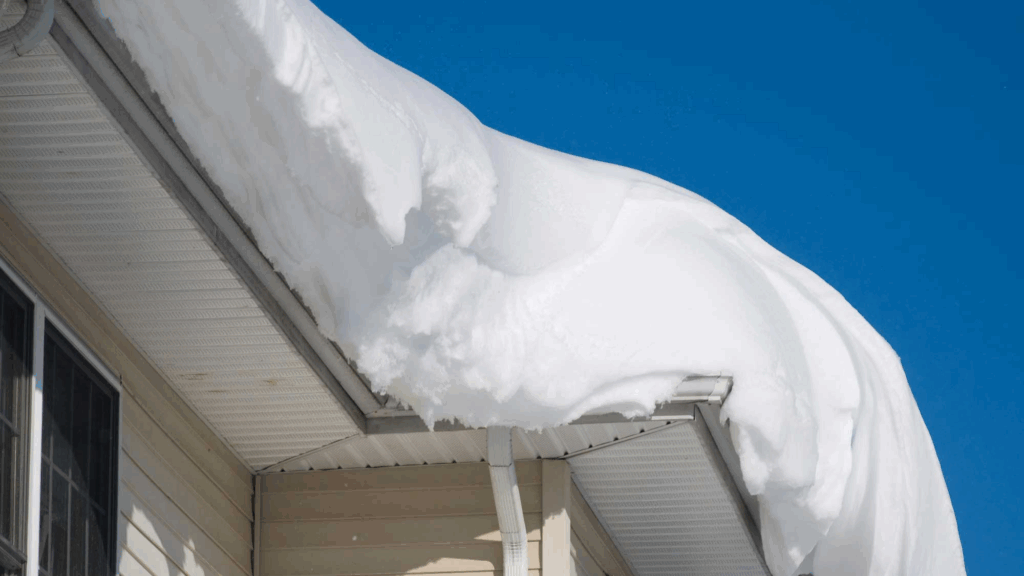
- Heavy snow loads press downward.
- Melting and refreezing create ice dams — solid ridges of ice that block water.
- Wind and extreme cold weaken shingles and flashings.
- Temperature swings cause expansion and contraction.
These elements work together in ways that slowly erode the integrity of your roofing system. Think of it as a slow leak in a balloon — small pressure changes over time lead to bigger problems if ignored.
Could Your Roof’s Shingles Be Telling You Something?
Look for Missing, Curled, or Damaged Shingles
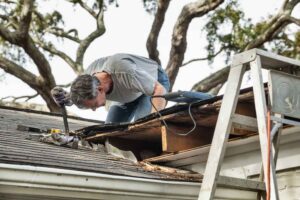
Minnesota’s winter winds and ice can pry shingles loose or wear them out. But neighbors and homeowners often miss this until it’s too obvious.
Here’s what to look for:
- Shingles that are missing or look uneven
- Curling edges or cracked shingle surfaces
- Granules in your gutters or downspouts
- Exposed underlayment in places
Shingles are your first defense. If they’re compromised, moisture can sneak in. That’s bad news when freezing and thawing are part of daily life.
Early inspection — especially after a heavy snow or wind storm — helps catch issues before they become leaks.
Is Ice Buildup at the Roof’s Edge a Serious Problem?
Yes — It Could Be Causing Hidden Damage
Ice dams don’t just look annoying — they’re often the first step on the path to serious roof problems.
Here’s how they form:
- Heat from inside your home melts snow on the roof.
- Melted snow runs down until it hits a cold edge.
- That water freezes, creating a dam of ice.
- Water backs up behind the ice and seeps under shingles.
Signs you have an ice dam problem:
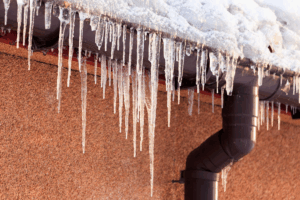
- Icicles hanging from eaves (yes, cute but dangerous)
- Water stains on interior ceilings or walls
- Roof edges that stay snow‑covered while upper areas melt
Ice dams mean heat loss in your attic — and trouble right above your living space. Tackling insulation and ventilation along with roof inspection is often part of the solution.
What Are the Hidden Signs Inside Your Attic?
Look Up Before It’s Too Late
Many homeowners spend all their time outside the house when checking the roof. But the attic tells a story you can’t see from the ground.
Climb up safely (or bring in an expert) and check for:
- Dark streaks or damp spots on rafters
- Frost or condensation on wood and insulation
- Loose or deteriorated insulation
- Mold or musty smells
These signs often show up before visible leaks appear in your living room or hallway.
Attic moisture is like a silent alarm — if you see it, it’s likely your roof or ventilation system isn’t doing its job.
Are There Subtle Interior Clues You’re Ignoring?
Stains, Peeling Paint, and Drafts Matter
Interior signs of roof trouble are often dismissed as “just old” or “just a draft.” But they can be early alerts.
Watch for:
- Yellow or brown stains on ceilings and walls
- Paint or wallpaper lifting near the walls or ceiling corners
- Drafts near rooflines
- Warped ceilings or bulges
These might not scream roof problem! but they deserve attention — especially after Minnesota winters.
Sometimes the first sign of trouble is inside your home, not outside.
Which Roof Problems Happen Most Often in Minnesota Winters?
Common Issues — and How They Progress
Roof problems don’t usually happen overnight. In Minnesota, they tend to follow a pattern:
- Ice dams form → water backs up → shingle edges loosen
- Heavy snow accumulates → roof sag begins → structural stress increases
- Wind and cold weaken materials → granules fall off → underlayment gets exposed
- Poor ventilation/insulation → attic moisture rises → wood rot and mold begin
Being aware of the progression helps homeowners act early — and that’s cheaper and less stressful.
What Maintenance Steps Can You Take Now?
Actionable Steps That Protect Your Roof This Winter
You don’t have to wait for a leak to start protecting your home. Here’s a simple winter roof checklist:
- Clean gutters before the first heavy snowfall
- Inspect shingles for damage in fall and after storms
- Keep attic well‑insulated and ventilated
- Avoid walking on the roof in icy conditions
- Remove excess snow with a roof rake (not a shovel)
- Schedule professional inspections annually
This isn’t just busywork — it’s preventative care. Think of it like changing your car’s oil before a long road trip.

Curious Homeowner Q&A: What Else Should I Know?
What Happens If I Ignore a Small Roof Leak?
Small leaks rarely stay small. They let in moisture that damages insulation, ceilings, wood framing, and can even invite mold.
Can I Fix Ice Dams Myself?
Sometimes ice melt products or a roof rake help. But if ice dams are recurring, it’s likely a deeper insulation or ventilation issue that deserves a pro look.
When Should I Call a Professional?
If you see stains inside, shingles missing, sagging rooflines, or significant ice buildup — call a roofing expert. Early intervention is cheaper and preserves your peace of mind.
How Often Should I Get a Roof Inspection?
Annual inspections — especially after winter — catch problems early. Every roof ages differently, so yearly check‑ups make sense for Minnesota’s climate.
Ready to Tackle Winter Roof Damage with Confidence?
You love your home. You work hard for it. Winter shouldn’t be a guessing game when it comes to roof trouble. If you’re spotting signs like loose shingles, ice dams, attic condensation, or interior stains — don’t wait for spring.
Four Point Construction in Minneapolis, Minnesota is here to help. Our experts know Minnesota winters and roofs like nobody else. We’ll give you an honest assessment, clear recommendations, and quality repairs that stand up to ice, snow, wind, and whatever winter throws next.
Contact Four Point Construction today for a professional roof inspection — before small problems turn into big ones.