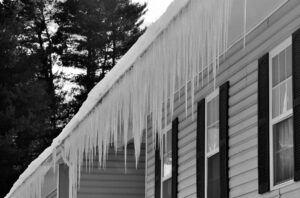

When a storm barrels through the Twin Cities, it doesn’t just rattle your windows. It tests your roof. Between hail that hits like a bucket of marbles and winds that tug at shingles like they’re loose threads, your roof takes the beating so your family doesn’t have to.
If you’re living in Minneapolis or nearby in Saint Paul, you already know how quickly the weather can turn. One minute it’s calm. The next, the sky looks like it means business.
So what happens after the storm passes? What does a storm damage roof inspection actually involve? And how do you know if you really need one?
Let’s walk through it.
Key Takeaways
- Storm damage isn’t always visible from the ground
- A professional inspection documents damage for insurance purposes
- Hail and wind can cause hidden structural issues
- Early inspections prevent costly interior damage
- Working with a local contractor ensures accurate assessments
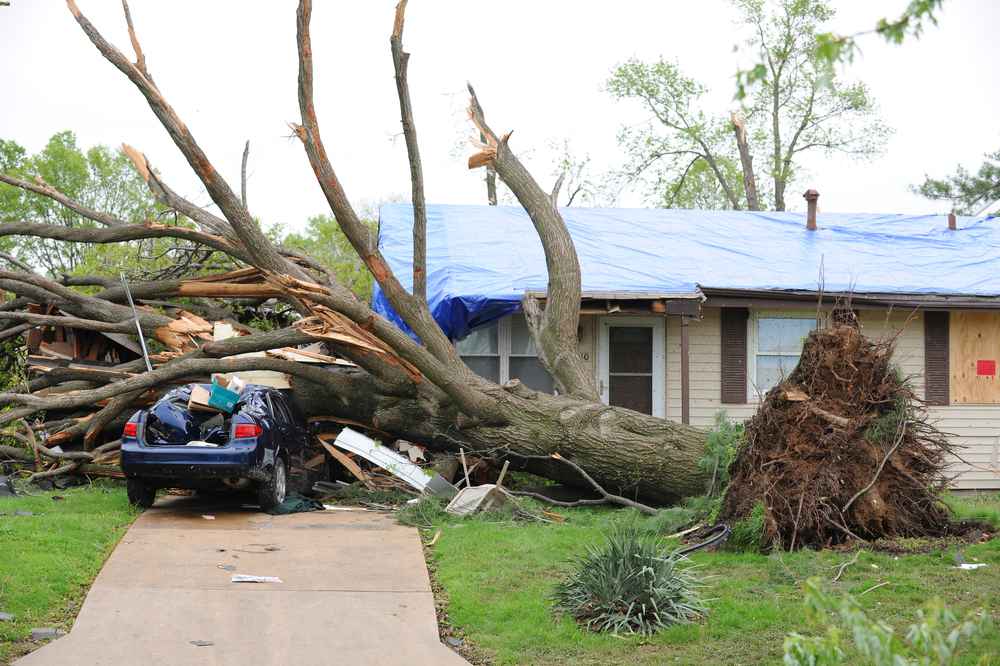
Why Should You Schedule a Roof Inspection After a Storm?
Because small damage today becomes big trouble tomorrow
You might look up at your roof after a storm and think, “Looks fine to me.” And maybe it does. But storm damage has a way of hiding in plain sight.
Hail can bruise shingles without knocking them off. Wind can loosen flashing without tearing it away. Heavy rain can sneak under lifted tabs and start soaking into decking.
In a climate like Minnesota, where freeze-thaw cycles are routine, minor damage doesn’t stay minor. Water gets in. Temperatures drop. Expansion happens. And suddenly that small bruise turns into a leak.
A professional inspection answers one simple question: Is your roof still doing its job?
What Types of Storm Damage Are Common in the Twin Cities?
Hail, wind, and heavy snow lead the charge
The Twin Cities see a mix of weather patterns that can all affect roofing systems differently.
Common storm-related roof damage includes:
- Hail impact bruising on asphalt shingles
- Granule loss exposing shingle backing
- Wind-lifted or missing shingles
- Bent or detached flashing
- Dented vents, gutters, and metal components
- Ice dam-related water intrusion
Hail is especially tricky. The damage may not cause immediate leaks, but it weakens the shingle structure. Over time, UV exposure and temperature swings do the rest.
Wind damage can be equally subtle. A shingle lifted just enough to break its seal may not fall off today. But the next gust might finish the job.
That’s why inspections matter.
What Happens During a Storm Damage Roof Inspection?
It’s thorough, systematic, and more detailed than you might think
A proper inspection isn’t someone glancing at your roof from the driveway. It’s hands-on and methodical.
Here’s what you can expect:
- A full exterior roof evaluation
- Close inspection of shingles for bruising or granule loss
- Examination of flashing, vents, and roof penetrations
- Gutter and downspout checks
- Attic inspection for moisture, leaks, or daylight
- Photo documentation of all findings
The goal isn’t just to find damage. It’s to document it clearly and professionally.
In the Twin Cities, inspectors pay special attention to ice dam evidence and ventilation issues. Poor ventilation combined with storm damage can accelerate roof failure.
You’ll receive a clear explanation of what was found and whether insurance involvement makes sense.
How Long Does a Roof Inspection Take?
Usually under two hours, but every roof tells its own story
Most residential storm damage inspections take between 45 minutes and two hours.
The timeline depends on:
- Roof size and pitch
- Accessibility
- Severity of suspected damage
- Whether attic inspection is needed
A reputable contractor won’t rush the process. Storm damage evaluation is about accuracy, not speed.
If you’ve ever had water dripping through your ceiling at 2 a.m., you know that cutting corners up front isn’t worth it later.
Will the Inspection Help With My Insurance Claim?
Absolutely — documentation is everything
If storm damage is present, a professional inspection becomes your first line of defense in the insurance process.
You’ll receive:
- Date-stamped photos
- Written damage descriptions
- Storm-related impact assessments
- Repair or replacement recommendations
Insurance adjusters look for measurable, documented damage. Having this information before filing a claim strengthens your position.
In many cases, your contractor can meet with the adjuster to ensure nothing gets overlooked. That collaboration helps streamline the claim process and avoids miscommunication.
The inspection doesn’t just protect your roof. It protects your investment.
What If No Storm Damage Is Found?
Peace of mind is still valuable
Sometimes the best outcome is hearing, “Your roof looks good.”
If no storm damage is identified, you walk away knowing:
- Your roof is structurally sound
- There’s no urgent insurance need
- Small maintenance items can be addressed proactively
An honest inspection builds trust. Not every storm requires a claim. Sometimes all you need is reassurance and a few minor repairs.
And that’s a win.
How Can You Tell If You Need an Inspection Right Away?
Watch for warning signs inside and outside your home
Certain red flags mean you shouldn’t wait:
- Water stains on ceilings or walls
- Damp attic insulation
- Shingles in your yard
- Dented gutters or siding
- Granules collecting in downspouts
If your neighbors are getting inspections after a hailstorm, that’s also a clue. Storm damage often impacts entire neighborhoods unevenly.
When in doubt, schedule an inspection. It costs far less than ignoring a problem.
How Do Local Conditions in the Twin Cities Affect Roof Inspections?
Climate and building codes shape the approach
Roofing in the Twin Cities isn’t the same as roofing in warmer states. Local inspectors understand:
- Snow load requirements
- Ice dam risks
- Ventilation standards
- Regional building codes
Homes in Minneapolis and Saint Paul face unique stress from heavy winter precipitation combined with summer hailstorms.
An experienced local contractor knows how these conditions interact. That knowledge leads to more accurate inspections and better long-term recommendations.
What Should You Do Before the Inspector Arrives?
A little preparation goes a long way
Before your scheduled inspection:
- Clear vehicles from the driveway
- Remove debris from around your home
- Ensure attic access is unobstructed
- Gather any storm date information
If you noticed leaks or interior damage, point them out. The more information you share, the more precise the evaluation will be.
Communication helps your contractor connect the dots.
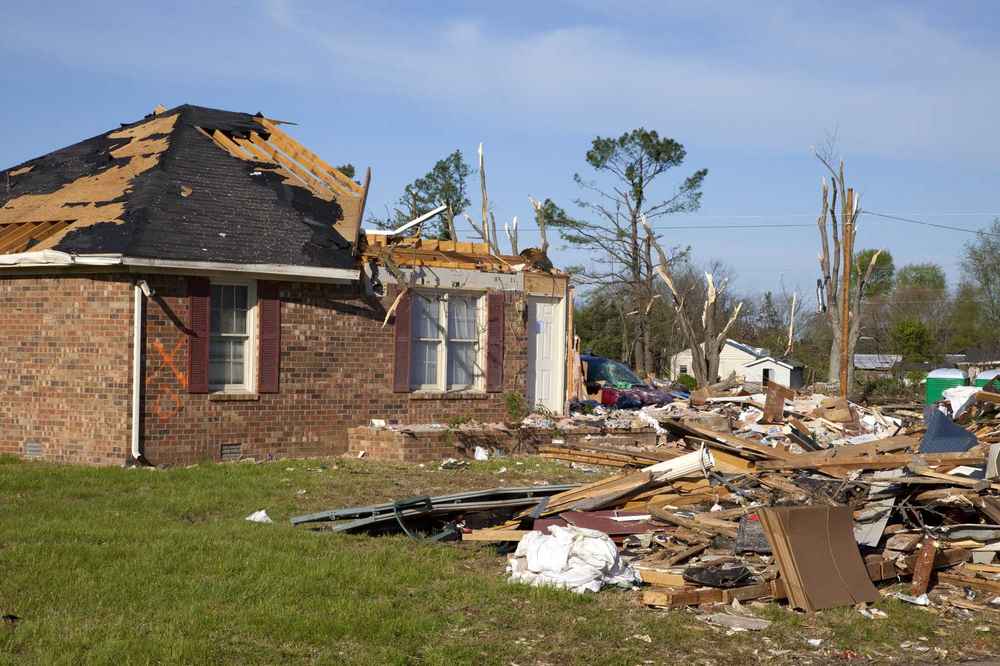
Straight Answers for Storm-Weary Homeowners
Is a storm damage roof inspection free?
Many reputable contractors offer free inspections after major storms. Always confirm before scheduling.
Can I stay home during the inspection?
Yes. While roof work happens outside, inspectors may need attic access.
Will an inspection automatically trigger an insurance claim?
No. An inspection simply evaluates damage. Filing a claim is your decision.
How soon after a storm should I schedule an inspection?
Ideally within a few days to a few weeks. Waiting months can complicate documentation.
What if my roof is older?
Age doesn’t automatically disqualify storm damage. The inspection determines whether recent weather caused functional issues.
Ready to Make Sure Your Roof Is Still Standing Strong?
Storms in the Twin Cities aren’t going anywhere. The real question is whether your roof is ready for the next one.
A storm damage inspection isn’t about fear. It’s about clarity. It’s about knowing whether your home is protected or quietly compromised.
If you’ve experienced hail, high winds, or heavy rain in the Twin Cities, it’s time to take the next step.
Reach out to Four Point Construction in Minneapolis for a professional storm damage roof inspection. Our team knows local weather patterns, understands insurance documentation, and takes the time to do the job right.
Contact Four Point Construction today and get the answers your roof has been waiting to give.