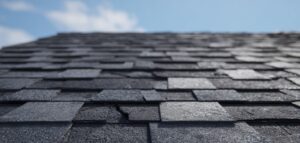

The clearest signs you need a new roof are age, widespread shingle damage, recurring leaks, and sagging — and in Minnesota, storm and ice damage push many roofs to replacement years earlier than the shingles were rated to last. If your roof is past 20 years old or showing several of the warning signs below, it’s time for a professional assessment rather than another patch.
Deciding between repair and replacement is one of the bigger calls a homeowner makes, and it’s easy to put off. But a failing roof rarely fails politely — it waits for the worst winter night to leak. This guide covers the signs that matter, why Minnesota’s climate changes the math, and how to tell repair from replacement.
How long should a roof last in Minnesota?
A standard asphalt shingle roof is rated to last 15 to 30 years, but in Minnesota the real-world lifespan usually lands lower. Harsh winters, ice dams, hail, and constant freeze-thaw cycles can shorten a roof’s usable life by several years compared with the same shingles in a milder climate.
As a practical rule, once an asphalt roof passes the 20-year mark in Minnesota, you should be watching it closely and budgeting for replacement — even if it hasn’t started leaking yet. Premium architectural shingles with good attic ventilation and consistent maintenance can stretch further, but age alone is a legitimate reason to plan ahead.
If you don’t know how old your roof is, a professional can estimate it from wear patterns, or you can check permit records and closing documents from when the home was built or last re-roofed.
What are the biggest signs you need a new roof?
Any one of these can justify a professional inspection. Several together usually point to replacement rather than repair.
- Age past 20 years. In Minnesota, an asphalt roof beyond two decades is living on borrowed time regardless of appearance.
- Widespread shingle damage. Cracked, curled, buckling, or missing shingles across large areas — not just one spot — signal the whole system is wearing out.
- Granules in the gutters. Piles of sand-like granules mean the shingles are shedding their protective layer and aging fast.
- Recurring or spreading leaks. One leak may be a repair; multiple leaks, or stains that keep returning, usually mean the roof has failed underneath.
- A sagging roof line. Any visible dip or sag points to structural or decking problems and needs immediate professional attention.
- Daylight or water in the attic. Light through the roof deck, damp insulation, or frost on the sheathing all indicate the roof is no longer sealing.
- Rising energy bills. A roof and attic that can no longer hold temperature make your furnace work harder all winter.
Does storm and hail damage mean I need a new roof?
Not always — but in Minnesota it’s often the deciding factor. Golf-ball-sized hail is common here, and a single severe storm can scour the granules off shingles, bruise them, or crack them across an entire roof at once. When that damage is widespread, replacement is frequently more sensible than dozens of spot repairs.
The tricky part is that storm damage is often invisible from the ground. Shingles can look intact while their protective layer is gone, which quietly cuts years off the roof’s life. Wind damage is similar — a gust that breaks the seal on shingles leaves them ready to peel in the next storm.
If a significant storm has hit your area, get a professional storm damage assessment and document what’s found. Homeowners in Elk River and the northwest metro see this pattern regularly: a roof that looked fine after a summer hailstorm starts leaking by mid-winter because the damage was never addressed.
Is moss or algae on your roof a sign you need a new one?
It depends which one you have — and the distinction matters. The dark streaks most Minnesota homeowners see are usually algae, which is largely cosmetic and can often be cleaned without replacing anything. Moss is the bigger concern.
Moss holds moisture against the shingles and works its way under them, lifting the edges and letting water reach the roof deck. On an older roof, established moss across large areas often signals the surface is staying wet long enough to shorten its remaining life, and it frequently shows up alongside other end-of-life signs like granule loss and curling.
If you see heavy moss growth, don’t just pressure-wash it — aggressive cleaning strips granules and can do more harm than good. Have a professional assess whether the roof can be cleaned and treated or whether the moss is a symptom of a roof that’s already failing. In shaded, tree-heavy Twin Cities neighborhoods, this is worth checking as part of your fall look-over.
Should you repair or replace your roof?
The repair-or-replace decision comes down to three things: the roof’s age, how widespread the damage is, and whether problems keep coming back. Isolated damage on a relatively young roof is a repair. Widespread damage, an aging roof, or the same issues recurring after repairs point to replacement.
A useful test: if the cost of ongoing repairs starts approaching a meaningful fraction of a full replacement, or you’re repairing the same roof every year, you’re spending good money on a system that’s already failing. Replacement also resets the clock with a fresh warranty and modern materials built for Minnesota’s climate.
There’s also timing to consider. A roof that’s borderline heading into winter is a roof that may fail during the season, when replacement is hardest to schedule. If your roof is showing several warning signs now, addressing it before the first freeze is far less stressful than an emergency in January.
What should you expect from a roof replacement?
A professional roof replacement is more straightforward than most homeowners expect. It starts with a full inspection and an honest assessment of whether replacement is actually warranted — a reputable contractor will tell you if a repair is the better call.
From there, the crew removes the old roofing down to the deck, repairs or replaces any damaged sheathing, installs underlayment and ice-and-water shield along the vulnerable eaves, and lays the new shingles with proper flashing and ventilation. Most residential replacements are completed in a day or two, weather permitting.
In Minnesota, the details that matter most are ice-and-water protection at the eaves and correct attic ventilation, because those are what prevent the ice dams and moisture problems that shortened your last roof’s life. Homeowners in White Bear Lake and across the east metro benefit from a contractor who treats ventilation as part of the job, not an afterthought.
How do you choose a roofing contractor for a replacement?
Choose a licensed, insured, local contractor with a track record in Minnesota’s climate and strong reviews from nearby homeowners. Ask about warranties on both materials and workmanship, confirm they’ll handle proper ice-and-water shield and ventilation, and make sure they’ll document everything for insurance if storm damage is involved.
Local matters here. A contractor who works in the Twin Cities year-round understands freeze-thaw, ice dams, and hail in a way an out-of-state storm-chaser never will — and they’ll still be here if you need them in five years. Four Point Construction has built its reputation across the Twin Cities on exactly that kind of accountability.
What happens if you wait too long to replace a failing roof?
Waiting turns a planned expense into an emergency one. A roof that’s failing rarely stays a roofing-only problem — once water gets past the shingles, it moves into the parts of your home that cost far more to fix.
The first thing to go is usually the roof deck. Persistent moisture rots the wood sheathing, which then has to be replaced during the new roof installation, adding cost and time. From there, water can reach insulation, drywall, and framing, leading to stained ceilings, mold, and compromised structure. In a Minnesota winter, a weak roof also invites ice dams that force meltwater directly into those vulnerable areas.
There’s an insurance angle too. If a roof fails from age and neglect rather than a specific covered event, insurers are far less likely to help — and a known, unaddressed problem can complicate future claims. Replacing a roof on your own schedule, before it fails, is almost always cheaper and less disruptive than reacting to a leak in January.
If several of the signs above sound familiar, the smart move is an assessment now, while you still have options and the weather is on your side.
New Roof Signs FAQ
How do I know if I need a new roof or just a repair?
Look at age, extent, and recurrence. A young roof with isolated damage is usually a repair. A roof past 20 years, with widespread shingle damage or leaks that keep coming back, typically needs replacement. A professional inspection is the reliable way to tell the difference.
How long do roofs last in Minnesota?
Most asphalt shingle roofs last 15 to 30 years, but Minnesota’s freeze-thaw cycles, ice dams, and hail often push real-world lifespans toward the lower end. Once an asphalt roof passes 20 years here, it’s wise to start planning for replacement.
Can hail damage total my roof?
Yes. Widespread hail damage — scoured granules, bruising, or cracking across the whole roof — frequently makes full replacement more sensible than repair, and it’s often covered by insurance. Because hail damage can be invisible from the ground, have it professionally assessed after any severe storm.
Is it bad to replace a roof in winter?
It’s harder and riskier. Cold makes shingles brittle and sealant slow to cure, and scheduling around snow is difficult. That’s why a roof showing warning signs in the fall should be addressed before the first freeze rather than gambled on through winter.
How long does a roof replacement take?
Most residential asphalt roof replacements are completed in one to two days, weather permitting. Larger or more complex roofs can take longer, and Minnesota weather can affect scheduling.
Wondering if it’s time? Call Four Point Construction at (612) 699-4444 for an honest roof assessment anywhere in the Twin Cities.