
If you own a home in Minnesota, your roof has seen things. Hail that sounds like a drumline. Snow that stacks up like sandbags. Wind that tests every shingle like it’s trying to peel back a lid.
You pay your homeowner’s insurance every month. But when it comes to roof coverage, most homeowners aren’t entirely sure what they’re actually paying for.
Does insurance cover hail damage?
What about a 20-year-old roof?
Will filing a claim raise your premiums?
Let’s clear the fog and talk straight about roof coverage in Minnesota—what’s covered, what’s not, and how to protect yourself before the next storm rolls in.
Key Takeaways
- Most Minnesota homeowner’s policies cover sudden storm-related roof damage
- Wear and tear, neglect, and aging are typically not covered
- Replacement Cost Value and Actual Cash Value policies pay out differently
- Documentation and inspections are critical before filing a claim
- Working with a local contractor helps you navigate the insurance process properly
What Does Homeowner’s Insurance Typically Cover for Roof Damage?
Sudden and accidental damage is usually covered
In Minnesota, standard homeowner’s insurance policies generally cover roof damage caused by sudden events. That includes:
- Hailstorms
- Windstorms
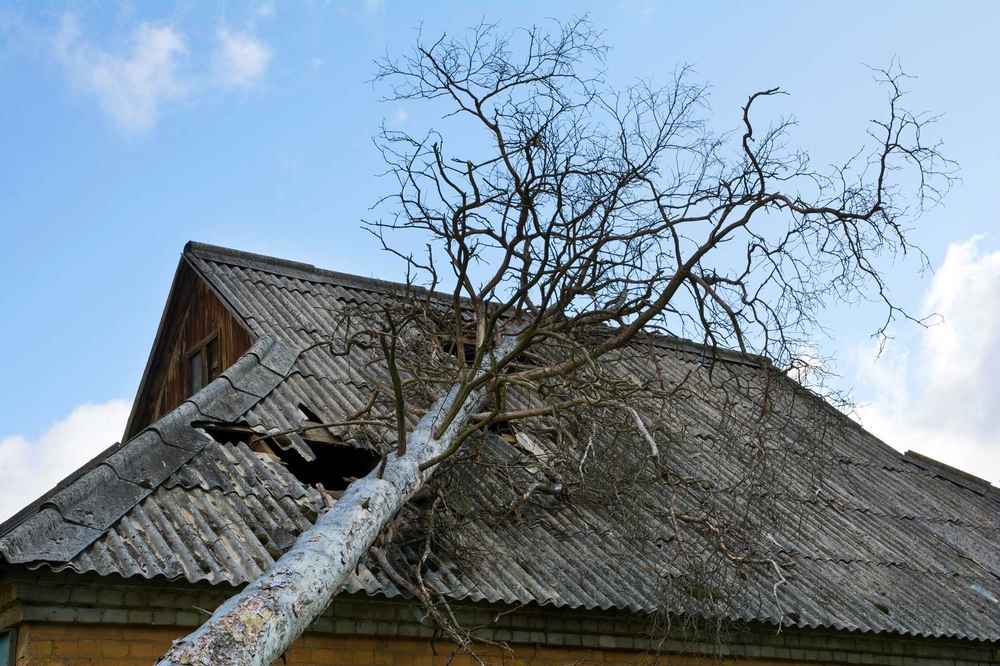
- Falling trees or debris
- Heavy snow or ice damage
- Fire
If a summer hailstorm rolls through Minneapolis and bruises your shingles, that’s typically considered a covered peril. If high winds rip off sections of your roof, that’s usually covered too.
The key word here is sudden.
Insurance is designed to protect against unexpected events—not gradual deterioration.
What Is Not Covered Under Most Roof Insurance Policies?
Aging, neglect, and maintenance issues are your responsibility
This is where many homeowners get caught off guard.
Insurance companies typically will not cover:
- Normal wear and tear
- Gradual leaks due to aging shingles
- Poor installation
- Lack of maintenance
- Pre-existing damage
If your roof is 25 years old and simply reaches the end of its life, that’s not an insurance claim. That’s homeownership.
Minnesota’s freeze-thaw cycles can accelerate roof aging. When water seeps in and expands during freezing temperatures, shingles weaken over time. If that process happens gradually, insurance usually won’t step in.
Understanding the difference between storm damage and aging is critical.
What Is the Difference Between Replacement Cost and Actual Cash Value?
Your payout depends on the type of policy you carry
Not all roof coverage pays the same way.
Here’s the difference:
Replacement Cost Value (RCV)
- Pays to replace your roof at today’s material and labor costs
- Deductible still applies
- Often pays in two installments (initial payment + depreciation after completion)
Actual Cash Value (ACV)
- Pays the depreciated value of your roof
- Factors in age and condition
- Typically results in a smaller payout
In Minnesota, where roofing materials endure extreme weather, depreciation can add up quickly. A 15-year-old roof under an ACV policy may receive significantly less compensation than under an RCV policy.
If you’re unsure which type you have, check your declarations page or call your insurance provider.
Does Roof Age Affect Your Coverage in Minnesota?
Yes—and insurers are paying closer attention
Insurance carriers across Minnesota are increasingly strict about roof age.
Some policies:
- Reduce coverage after 10–15 years
- Switch from RCV to ACV once a roof hits a certain age
- Require roof inspections before renewal
If your roof is nearing 20 years old, it’s wise to review your policy now—not after a storm hits.
Proactive inspections can help you understand your roof’s condition and avoid surprises.
How Do Deductibles Work for Roof Claims?
You are responsible for your deductible—always
When filing a roof claim in Minnesota, you must pay your deductible. That’s the amount you agreed to cover out of pocket.
For example:
- If your deductible is $2,000
- And your roof replacement costs $15,000
- Insurance pays $13,000
Be cautious of contractors offering to “cover your deductible.” That practice is often illegal and can create insurance fraud issues.
A reputable contractor will explain costs clearly and work within your approved claim—not around it.
How Do You Know If You Should File a Roof Claim?
Start with a professional inspection
Before calling your insurance company, schedule a storm damage inspection.
A qualified roofing contractor can:
- Identify legitimate storm-related damage
- Document findings with photos
- Determine if filing a claim makes financial sense
- Help prevent unnecessary claims
Why does that matter?
Because filing claims for minor issues that don’t exceed your deductible can still appear on your claim history.
In storm-prone areas like Saint Paul and Minneapolis, insurers already track regional storm activity closely. Filing wisely protects your record.
What Does the Insurance Claim Process Look Like?
It’s structured—but preparation makes it smoother
If storm damage is confirmed, here’s what typically happens:
- You file a claim with your insurance provider
- An adjuster schedules an inspection
- The adjuster evaluates the roof
- A claim decision is issued
- Payment is released based on policy terms
Having your contractor present during the adjuster inspection ensures nothing is overlooked.
Minnesota hail damage can be subtle. An experienced roofer knows how to spot shingle bruising and compromised seals that might not be obvious at first glance.
Documentation is your strongest asset.
How Can Minnesota Weather Complicate Roof Coverage?
Climate plays a bigger role than most homeowners realize
Minnesota roofs face a unique combination:
- Heavy snow loads
- Ice dams
- Spring thaw cycles
- Summer hailstorms
- High winds
These conditions create overlapping wear patterns. Insurance companies may attempt to attribute damage to aging rather than a specific storm event.
That’s why timing matters. After a significant storm, inspections should happen promptly. The clearer the timeline, the stronger the claim.
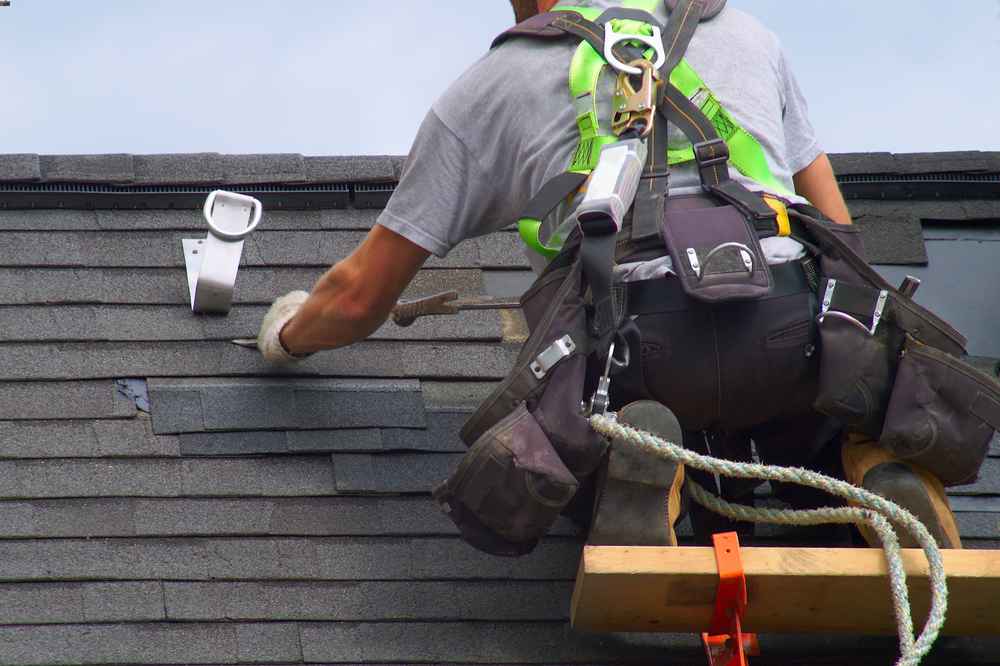
What Steps Can You Take to Protect Your Roof Coverage?
Prevention and preparation make all the difference
Here are practical ways to protect your investment:
- Schedule annual roof inspections
- Address small repairs immediately
- Keep gutters clear
- Document major storms
- Review your insurance policy annually
Knowledge beats panic every time.
If you know your roof’s condition before storm season, you’re in control—not scrambling.
The Plainspoken Policy Talk Section
Will filing a roof claim increase my premiums?
Storm-related claims are typically considered weather events rather than personal negligence. Individual premiums don’t usually spike from a single storm claim, but widespread regional claims can affect rates over time.
Can my insurance company deny my roof claim?
Yes, if damage is deemed cosmetic, pre-existing, or unrelated to a covered peril. That’s why documentation matters.
Do I have to use the contractor my insurance recommends?
No. You have the right to choose your own contractor.
What if my roof only has partial damage?
Insurance may approve partial repairs if appropriate. However, matching shingles can sometimes be challenging, especially on older roofs.
How soon should I inspect my roof after a storm?
Within days or weeks—not months. Waiting complicates claims and can worsen damage.
Ready to Understand Your Coverage Before the Next Storm Hits?
Roof insurance in Minnesota isn’t complicated—but it is specific. The more you understand your policy, the better prepared you’ll be when hail starts pounding or snow piles up.
Your roof protects everything underneath it. Your insurance policy protects your investment. But neither works well if you don’t understand how they function together.
If you’re unsure about your roof’s condition or how your coverage applies, it’s time to get clarity.
Contact Four Point Construction in Minneapolis for a professional inspection and honest guidance. We’ll evaluate your roof, explain your options, and help you navigate the insurance process with confidence.
Reach out today and make sure the roof over your head—and the policy behind it—are both ready for whatever Minnesota weather decides to do next.