
Winter in the Twin Cities can be beautiful — crisp snow, sparkling frost, and cozy nights by the fire. But for homeowners, it also brings a hidden danger: ice dams. These sneaky formations of ice along your roof’s edge can cause leaks, water damage, and costly repairs if left unchecked. Understanding what ice dams are, how they form, and how to prevent them can save you headaches and protect your home this winter.
Key Takeaways
- Ice dams form when snow melts on the roof and refreezes at the eaves, backing up water under shingles.
- Prevention is easier and cheaper than repair, especially in Minnesota’s harsh winter climate.
- Proper insulation, ventilation, and snow management are critical steps for ice dam prevention.
- Professional inspections and maintenance from Four Point Construction ensure long-term protection.
What Exactly Is an Ice Dam and Why Should I Care?
Understanding the Risk to Your Home
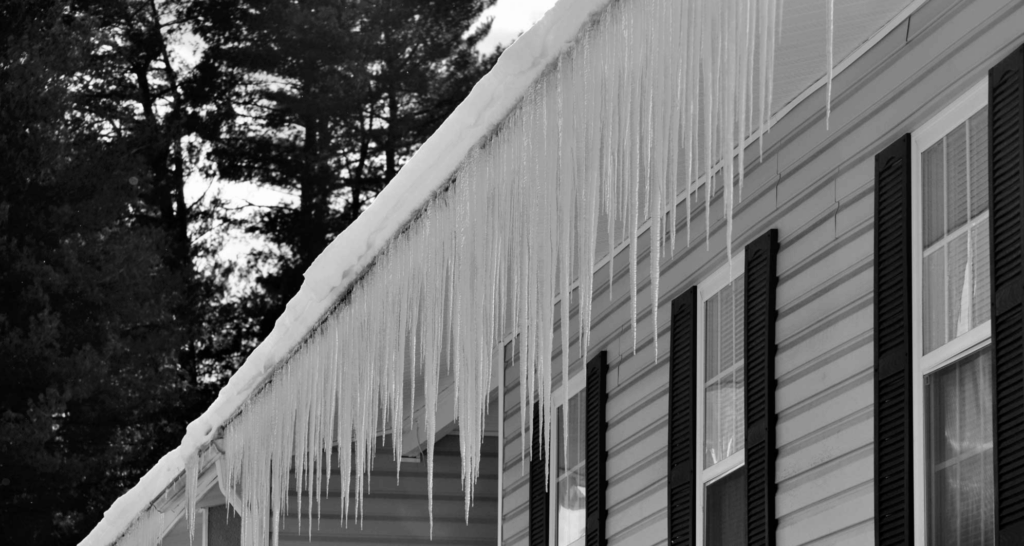
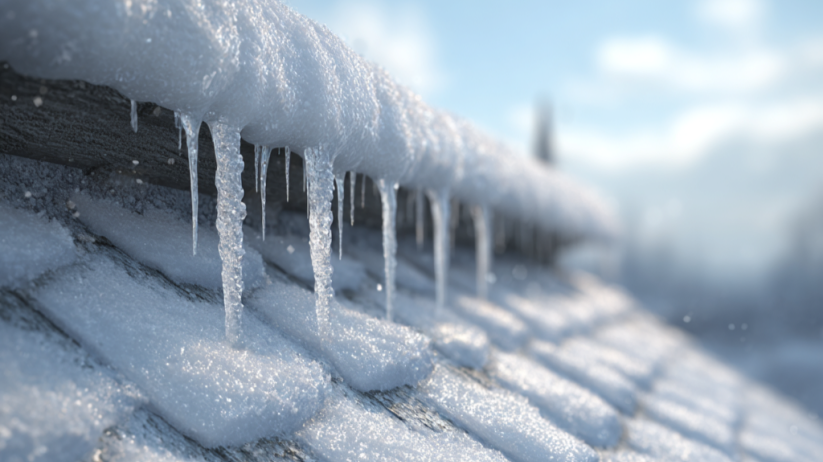
An ice dam is more than just a fancy icicle. It’s a ridge of ice that forms at the edge of your roof, trapping melting snow. The water can seep under shingles and into your home, leading to:
- Water stains on ceilings and walls
- Mold growth in your attic
- Damage to insulation and wood framing
- Interior leaks and structural damage
Minnesota winters, with repeated freeze-thaw cycles, create the perfect conditions for ice dams. What starts as a harmless layer of snow can quickly become a costly problem if ignored.
How Do Ice Dams Form on Twin Cities Roofs?
The Science Behind Ice Accumulation
Ice dams happen when heat from your home melts snow on the roof. The melted water runs down toward the colder eaves, where it refreezes. Over time, this creates a dam of ice, forcing water back under shingles. Several factors contribute:
- Inadequate attic insulation: Warm air rises and melts snow unevenly.
- Poor ventilation: Lack of airflow traps heat, accelerating ice formation.
- Roof design: Complex rooflines and low slopes increase risk.
- Heavy snowfall: Minnesota snow loads are significant, increasing melt potential.
Recognizing these conditions early can help you take proactive steps before the ice forms.
What Can I Do to Prevent Ice Dams This Winter?
Effective Ice Dam Prevention Strategies
Preventing ice dams starts with addressing the root causes: heat, insulation, and water flow. Here’s what homeowners can do:
- Improve attic insulation: Keep warm air from escaping through the roof.
- Enhance ventilation: Install ridge vents, soffit vents, or attic fans for consistent airflow.
- Seal leaks and gaps: Prevent warm air from escaping around chimneys, skylights, and vents.
- Use a roof rake: Safely remove excess snow after storms, starting from the eaves upward.
- Install heated cables: For high-risk areas, roof deicing cables can provide targeted protection.
These steps work together to reduce the chances of ice forming and protect your home’s roof, attic, and interior from water damage.
Can Professional Roof Maintenance Help Prevent Ice Dams?
Why DIY Isn’t Always Enough
While homeowners can take basic precautions, professional inspections are often the difference between a manageable winter and an emergency repair. Experts can:
- Evaluate insulation and ventilation levels.
- Identify weak spots and water entry points.
- Recommend installation of preventive solutions like ice and water shields.
- Safely remove snow and ice buildup after heavy storms.
Working with a trusted contractor ensures your home is ready for the Twin Cities winter, minimizing risk and maximizing peace of mind.
How Do I Spot Early Signs of Ice Dams Before They Cause Damage?
Watch for Warning Signals
Ice dams often start silently. Early detection is key:
- Icicles forming along roof edges (more than a few inches long).
- Water stains or dark streaks on ceilings or near walls.
- Frost or condensation in the attic.
- Shingle damage or missing granules along the roof edge.
Spotting these warning signs early can prevent costly water damage and structural issues.
What Should I Know About Snow Management on My Roof?
Safe Snow Removal Tips
Snow accumulation can make or break your ice dam prevention efforts. Homeowners should:
- Use a roof rake to remove snow from the edges, never walking on icy roofs.
- Remove 12–18 inches of snow near the eaves to prevent ice buildup.
- Avoid damaging shingles or gutters while raking.
- Schedule professional removal for heavy snow or complex rooflines.
Managing snow properly keeps your roof safer and reduces the likelihood of ice forming.
Homeowner Questions You Might Be Hesitant to Ask
Twin Cities Ice Dam Insights
Is it safe to remove ice dams myself?
Only if the ice is accessible and you have the right tools. Large dams are risky and often require professionals.
Do ice dams happen every winter?
Not always, but homes with poor insulation, ventilation, or heavy snowfall are at higher risk.
Will my insurance cover ice dam damage?
It depends on your policy. Some insurance plans cover water damage, but preventive measures are typically your responsibility.
Are heated cables worth it?
For high-risk areas, they’re a cost-effective way to keep water from refreezing along eaves.
How often should I have my roof inspected?
Annual inspections, ideally in fall or early winter, catch issues before ice forms.
Taking Action: Keep Your Home Safe This Winter
Ice dams may be silent, but their impact isn’t. Preventive measures, regular inspections, and snow management keep your home protected, saving you money and stress. Whether it’s upgrading attic insulation, enhancing ventilation, or scheduling a professional inspection, taking action now keeps your Twin Cities home safe all winter long.
Four Point Construction in Minneapolis, Minnesota offers expert services for ice dam prevention and winter roof protection. From inspections to repairs and preventive solutions, we ensure your home is ready for snow, ice, and freezing temperatures.
Contact Four Point Construction today to protect your home this winter and enjoy peace of mind through every Minnesota storm.