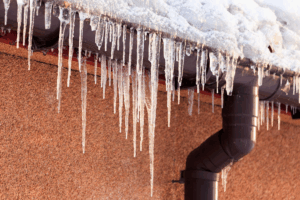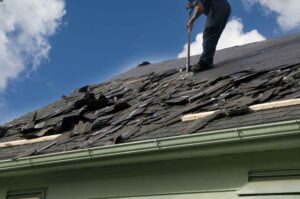

When a Minnesota storm rolls through, it doesn’t knock politely. It kicks the door in, rattles the windows, and leaves your roof to take the brunt of it. Between hail, heavy snow, high winds, and ice dams, homeowners across Minnesota know that roof damage isn’t a matter of if — it’s when.
Filing a roof insurance claim can feel overwhelming. You pay your premiums for years, then when you finally need help, you’re staring at paperwork, adjusters, and fine print. The good news? With the right approach, you can file a successful claim and get the coverage you deserve.
Key Takeaways
- Act quickly after a storm to document damage and prevent further issues
- Never rely on visual inspections from the ground alone
- Get a professional roof inspection before the insurance adjuster arrives
- Understand what your policy actually covers
- Work with a trusted local contractor who knows Minnesota storm damage
Let’s walk through how to do this the right way.
What Should You Do Immediately After a Storm Damages Your Roof?
Start with safety, then move to documentation
After a severe storm, your first instinct might be to climb a ladder and see what happened. Don’t. Wet shingles and storm debris are a dangerous combination.
Instead:
- Walk around your home and look for visible damage from the ground
- Take clear photos of fallen branches, missing shingles, dented gutters, or siding damage
- Check your attic for leaks, wet insulation, or daylight coming through the roof boards
- Note the date and time of the storm
Minnesota weather systems can move fast, and insurance companies will ask when the damage occurred. The more precise you are, the stronger your claim becomes.
If there’s active leaking, take steps to prevent further damage. Temporary tarping or water diversion shows your insurer that you acted responsibly to mitigate loss.
How Do You Know If the Damage Is Insurance-Worthy?
Not all roof damage is obvious — or covered
Hail damage isn’t always dramatic. Wind damage doesn’t always rip half the roof off. Sometimes it’s subtle: bruised shingles, lifted tabs, granule loss, or cracked seals.
Insurance typically covers sudden, accidental damage caused by:
- Hailstorms
- Windstorms
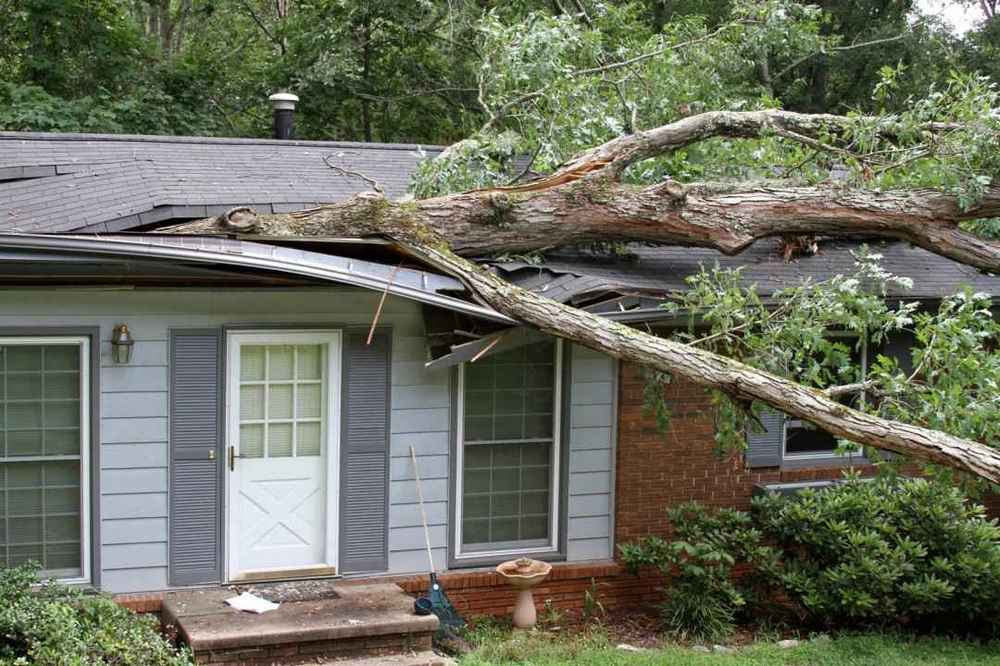
- Falling trees or debris
- Ice dam-related water intrusion
- Heavy snow collapse
What it doesn’t usually cover? Wear and tear, neglect, or an aging roof that simply gave out.
This is where homeowners often get tripped up. You might assume your roof is “just old” when in reality, a recent storm pushed it past its breaking point — and that’s a different conversation with your insurer.
A professional inspection helps separate storm damage from normal aging.
Why Should You Call a Roofing Contractor Before Filing Your Claim?
A contractor protects your interests before the adjuster arrives
Insurance adjusters work for the insurance company. That doesn’t make them villains — but it does mean they represent the carrier’s financial interests.
A reputable roofing contractor works for you.
Having a professional inspection done before the adjuster visit helps you:
- Identify all storm-related damage
- Receive a written report with photos
- Understand whether filing a claim makes sense
- Avoid unnecessary claims that could impact your premiums
A seasoned contractor in Minnesota understands how hail impacts asphalt shingles in freezing climates. They know how ice dams affect underlayment. They know what adjusters look for — and what they sometimes miss.
That preparation matters.
How Do You File a Roof Insurance Claim in Minnesota?
Filing is straightforward — but details matter
Once you confirm there’s legitimate storm damage, it’s time to contact your insurance provider.
Here’s the basic process:
- Call your insurance company or file a claim online
- Provide the date of loss and a brief description of damage
- Schedule an adjuster inspection
- Share your contractor’s inspection report and photos
- Review the adjuster’s estimate carefully
Keep records of every conversation, including names and dates. Save emails. Keep copies of everything.
When the adjuster visits, your contractor should be present. This ensures nothing is overlooked and allows for professional discussion about damage assessment.
What Happens During the Insurance Adjuster Inspection?
This is where your preparation pays off
The adjuster will:
- Inspect your roof and exterior
- Photograph damage
- Measure affected areas
- Determine whether damage qualifies under your policy
If your contractor is present, they can point out damage that might not be obvious from a quick glance.
Minnesota hail can leave subtle impact marks that compromise shingles long before leaks appear. An experienced contractor knows how to spot these.
If the adjuster approves the claim, you’ll receive an estimate and initial payment (often called the Actual Cash Value payment). Once repairs are completed, you’ll receive the remaining funds (recoverable depreciation), depending on your policy.
What If Your Roof Insurance Claim Is Denied?
A denial isn’t always the end of the road
Claim denials happen. Sometimes damage is deemed cosmetic. Sometimes it’s attributed to age. Sometimes documentation wasn’t strong enough.
If your claim is denied:
- Request a detailed explanation in writing
- Review your policy language
- Ask your contractor to provide supplemental documentation
- Consider requesting a reinspection
Contractors who regularly work with insurance claims understand how to submit supplements when damage was underestimated.
The key is staying calm and responding with facts — not frustration.
How Can You Avoid Common Roof Insurance Claim Mistakes?
Small errors can cost you big money
Here are the most common mistakes Minnesota homeowners make:
- Waiting too long to file after a storm
- Filing without professional inspection
- Accepting the first estimate without review
- Choosing the cheapest contractor instead of the most qualified
- Failing to mitigate further damage
One more big one? Signing contingency agreements with storm-chasing companies that disappear after the check clears.
Minnesota weather brings out contractors from across the country after big hailstorms. Some are reputable. Some are not.
Local companies build long-term reputations. They answer the phone six months later. That matters.
How Long Do You Have to File a Roof Insurance Claim in Minnesota?
Timing depends on your policy — but sooner is always better
Most insurance policies require claims to be filed within one year of the date of loss. Some policies allow up to two years.
However, the longer you wait:
- The harder it is to prove storm-related damage
- The more likely secondary issues develop
- The more complicated the process becomes
If you suspect damage, don’t sit on it. An inspection costs nothing compared to replacing a roof out of pocket.
What Should You Expect Financially During the Process?
Understanding deductibles and depreciation prevents surprises
When your claim is approved, you are typically responsible for:
- Your deductible
- Any upgrades not covered by your policy
Insurance pays based on your policy type:
- Replacement Cost Value (RCV) policies pay full replacement cost minus deductible
- Actual Cash Value (ACV) policies factor in depreciation
Minnesota’s freeze-thaw cycles can age roofing materials quickly. That depreciation calculation can affect your payout, so knowing your policy type ahead of time helps you plan.
A good contractor walks you through these numbers so you’re not guessing.