
In Minnesota, winter doesn’t politely wait for spring to solve problems. When a roof starts leaking in January or shingles tear loose in February winds, waiting isn’t always an option. That’s where winter roofing projects come in—and while the idea may sound risky, the reality is often far more practical than homeowners expect.
This guide explains exactly what happens during a winter roofing project in Minnesota, what’s different from warm-weather work, and how experienced contractors keep your home protected when the thermometer says otherwise.
Key Takeaways: What Should You Know Before Scheduling Winter Roof Work?
- Winter roofing is possible and often necessary in Minnesota
- Cold-weather materials and methods make a major difference
- Projects may take longer, but safety and quality stay front and center
- Preparation inside and outside the home matters
- Hiring a Minnesota-based expert is critical for success
Is Roofing Actually Possible During a Minnesota Winter?
Can roofs really be repaired or replaced in cold weather?
Yes—roofing can absolutely be done in winter, and in Minnesota, it often has to be. Storm damage, leaks, and structural concerns don’t pause for snow season. Professional roofing crews use cold-weather-rated materials, adjusted installation techniques, and careful scheduling to complete projects safely and effectively.
The key difference is experience. Winter roofing isn’t something every contractor is equipped to handle, but local experts know how to work around snow, ice, and freezing temperatures without compromising quality.
Why Do Homeowners End Up Needing Winter Roofing Projects?
What usually forces roof work during the cold months?
Most winter roofing projects aren’t planned—they’re necessary. Common reasons include storm damage, ice dams, active leaks, or delayed repairs that couldn’t wait any longer.
Minnesota winters are tough, and roofing issues often show up after:
- Heavy snowfall or ice buildup
- Strong winter windstorms
- Freeze-thaw cycles that open existing weak spots
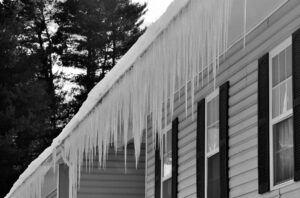
- Ice dams pushing water under shingles
When water starts entering the home, waiting until spring usually causes more damage and higher repair costs.
How Is a Winter Roofing Project Different from a Summer One?
What changes when roofing happens in cold temperatures?
Winter roofing requires more planning and patience. Crews work within narrower weather windows and adjust methods to protect materials and your home.
Differences homeowners often notice include:
- Shorter daily work periods due to daylight and temperature
- Slower installation pace to ensure proper sealing
- Extra safety precautions for snow and ice
- Temporary protective measures during the project
While timelines may stretch slightly, the goal remains the same: a watertight, durable roof.
What Roofing Materials Work Best in Minnesota Winters?
Are certain materials better suited for cold-weather installation?
Yes. Not all roofing materials behave the same in freezing temperatures. Professional winter roofing projects rely on products designed to remain flexible and effective in cold conditions.
Common cold-weather-friendly materials include:
- Asphalt shingles rated for low-temperature installation
- Synthetic underlayments that resist moisture and tearing
- Ice and water shield for eaves and valleys
- Cold-weather sealants and adhesives
Using the right materials ensures shingles bond properly and remain secure through the rest of winter.
How Does Cold Weather Affect Shingle Installation?
Do shingles seal properly when it’s cold outside?
Shingles rely on heat to activate their adhesive strips. In winter, that sealing process happens more slowly—but it still happens. Roofing professionals account for this by hand-sealing shingles when needed and ensuring they’re properly fastened.
Once temperatures rise—even briefly—the shingles finish sealing naturally. This approach prevents wind damage and keeps the roof secure long-term.
What Should Homeowners Do to Prepare for Winter Roof Work?
How can you make the project smoother and safer?
A little preparation goes a long way during winter roofing. Homeowners can help by ensuring clear access and protecting the interior of the home.
Helpful preparation steps include:
- Clearing snow and ice from driveways and walkways
- Moving vehicles away from the work area
- Removing wall décor near exterior walls
- Securing pets and planning for noise
Inside the home, minor vibrations are normal during roofing, but crews take care to minimize disruption.
How Long Does a Winter Roofing Project Usually Take?
Should homeowners expect delays?
Winter projects often take longer than summer ones, but that’s intentional. Roofing crews may pause work during extreme cold, high winds, or heavy snowfall to maintain safety and quality.
Most winter roofing timelines depend on:
- Roof size and complexity
- Severity of damage
- Weather conditions during the project
The goal isn’t speed—it’s doing the job right the first time.
Is Winter Roofing More Expensive?
Does cold-weather work cost more?
Not necessarily. While winter roofing requires specialized methods, homeowners may actually benefit from faster scheduling availability compared to peak summer months.
Costs are influenced more by:
- Scope of repairs or replacement
- Materials used
- Complexity of the roof design
Addressing damage promptly in winter often prevents far more expensive repairs later.
How Do Contractors Protect Your Home During Winter Roofing?
What safeguards are in place while the roof is exposed?
Protecting your home is a top priority. Roofing crews use tarps, temporary coverings, and staged removal techniques to limit exposure to snow and moisture.
Professional winter roofing practices include:
- Removing and replacing sections in stages
- Covering exposed areas before weather changes
- Monitoring forecasts closely
- Keeping attic insulation and decking protected
These steps ensure your home stays dry and secure throughout the project.
What Are the Risks of Waiting Until Spring?
Why is delaying roof repairs a bad idea?
Small winter roofing issues rarely stay small. Leaks can worsen, insulation can become saturated, and mold can develop inside walls and ceilings.
Waiting often leads to:
- Structural damage
- Higher energy bills
- Interior repairs beyond the roof itself
- More extensive replacement needs
Taking action during winter often saves money and stress in the long run.
Cold-Weather Curiosities: Minnesota Homeowners Ask These a Lot
What questions come up most about winter roofing?
Is it safe for crews to work on roofs in winter?
Yes. Professional contractors use safety equipment and protocols specifically designed for icy conditions.
Will my home lose heat during the project?
No. Roofing is done in sections, and exposure is kept minimal to protect interior temperatures.
Can emergency repairs be done in winter?
Absolutely. Emergency winter roofing is common in Minnesota and often prevents major interior damage.
Will my warranty still apply with winter installation?
Yes. When installed correctly using approved methods, warranties remain valid.
How Do You Know If You Need Winter Roofing Right Now?
What signs shouldn’t be ignored?
Active leaks, ceiling stains, sagging areas, missing shingles, or recurring ice dams signal the need for immediate attention. A professional inspection provides clarity before damage spreads further.
Built for Minnesota Winters, Done Right the First Time
Winter roofing in Minnesota isn’t something to fear—it’s something to handle properly. With experienced crews, cold-weather materials, and careful planning, roofing projects can be completed safely and successfully even in the heart of winter.
If your roof needs attention this season, contact Four Point Construction in Minneapolis. Their team understands Minnesota winters and knows how to protect homes when conditions are at their toughest. When winter hits hard, experience makes all the difference.