
If you live in White Bear Lake, you already know what Minnesota weather is capable of. One afternoon it’s sunny and calm. The next, you’ve got hail the size of nickels, wind gusts pushing 60 mph, and a roof that’s getting tested in ways you never thought about when you bought the house. Storm season in the Twin Cities metro is no joke, and your roof is the first line of defense between your family and whatever the sky decides to throw at it.
The good news? A little preparation goes a long way. Knowing what to look for, what to fix before the storms roll in, and who to call when things go sideways can save you thousands of dollars and a whole lot of stress.
Key Takeaways
- Inspect your roof before and after each storm season, especially for missing shingles, granule loss, and damaged flashing
- Clean gutters and downspouts reduce the chance of water damage during heavy rain
- Trim overhanging trees now to prevent impact damage later
- Document your roof’s condition with photos for insurance purposes
- Know a trusted local roofer before you need one, so you are not scrambling after a storm hits
What Does Storm Season Actually Look Like in White Bear Lake?
Spring through fall brings hail, high winds, and serious roof stress
Minnesota’s storm season typically runs from late spring through early fall, with the most intense activity happening between May and August. White Bear Lake sits in a region that sees its fair share of severe thunderstorms, and those storms often pack hail, straight-line winds, and heavy rainfall, sometimes all at once.
Hail is particularly sneaky. A storm that seems minor can leave behind tiny impact craters on your shingles that you won’t notice until water starts showing up on your ceiling six months later. Wind events can lift flashing, crack ridge caps, and loosen shingles that looked perfectly fine before the storm. Then heavy rain does the rest of the work, finding every gap and seam your roof never used to have.
The damage isn’t always dramatic or immediately visible. That’s what makes storm prep so important. You want to catch problems before the next storm turns a small issue into a major repair.
How Do You Know If Your Roof Has Storm Damage?
Look for these specific signs before and after severe weather
You don’t need to be a roofing professional to do a basic visual check, but you do need to know what you’re looking at. After any significant storm, walk around your property and look up. Here’s what to watch for:
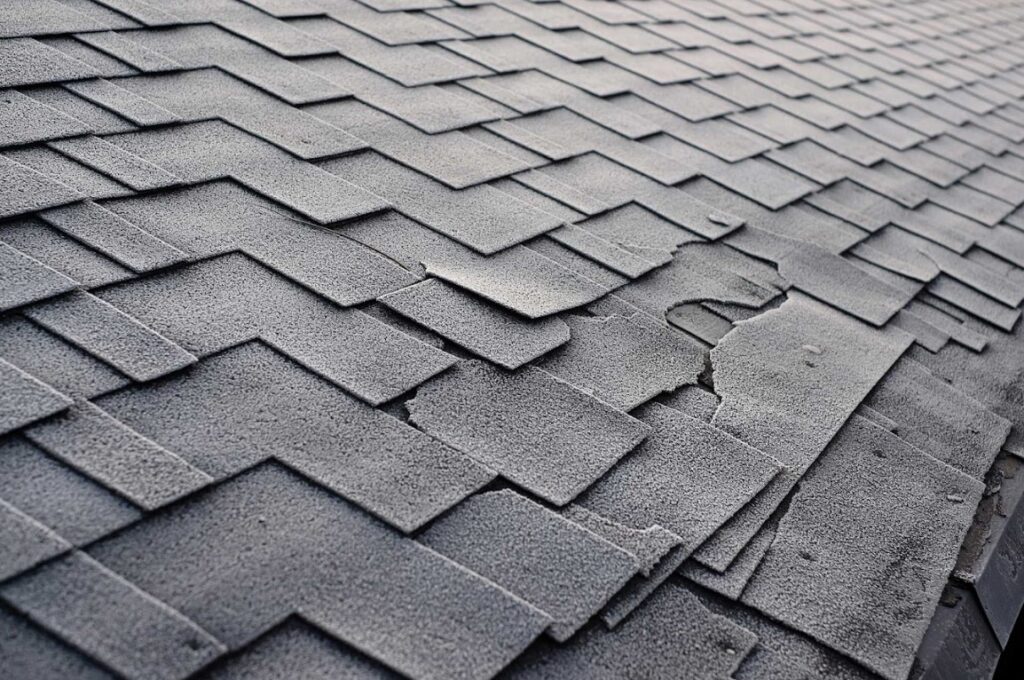
- Missing or visibly shifted shingles, especially around the ridge line and edges
- Dark spots or discoloration that weren’t there before
- Granules collecting in your gutters or downspouts (those small, sand-like particles that coat asphalt shingles)
- Dented or cracked shingles from hail impact
- Damaged flashing around chimneys, skylights, or vents
- Sagging areas on the roof deck, which can indicate water has already gotten in
- Interior signs like water stains on ceilings or walls, or a musty smell in the attic
If you notice any of these, do not wait to get it looked at. What starts as a minor repair can escalate quickly once the next storm hits the same weak spot. The team at Four Point Construction handles storm damage assessments across the White Bear Lake area and can tell you exactly what you’re dealing with before you file a claim or pick up a tool.
What Should You Do to Prepare Your Roof Before Storm Season?
A spring roof inspection and a few key maintenance tasks can prevent most storm-related damage
Think of storm prep the same way you think about changing your oil. You wouldn’t wait until your engine seizes to address it. Your roof works the same way. Taking action before the storms arrive is always cheaper than reacting after the fact.
Start with a professional inspection. A trained eye can spot issues that homeowners commonly miss, like subtle granule loss, nail pops, or small areas of lifting that haven’t failed yet but are about to. Getting a residential roofing inspection in spring, before peak storm season, is one of the smartest investments you can make.
Beyond the inspection, here are the most important maintenance tasks to knock out before storm season kicks in:
- Clean your gutters thoroughly so water can drain away from your roof and foundation without backing up
- Trim any tree branches that hang over or near your roof, because wind turns them into battering rams
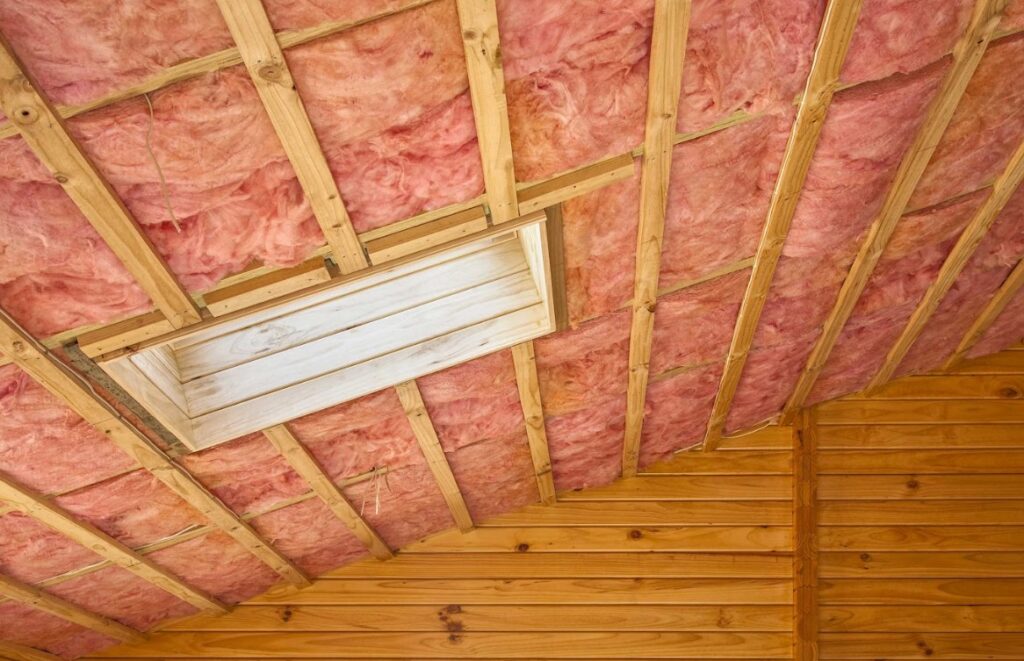
- Check your attic for adequate ventilation and insulation, which helps regulate moisture and temperature that affect shingle lifespan
- Seal any visible gaps around flashing, pipes, or vents with a roofing-grade caulk or have a pro do it
- Take clear, time-stamped photos of your entire roof so you have documentation of its pre-storm condition for insurance purposes
According to the Insurance Information Institute, documenting your property’s condition before damage occurs is one of the most important steps homeowners can take to make the claims process smoother and faster.
What Types of Roof Damage Are Most Common After Minnesota Storms?
Hail and wind are the top culprits, but water intrusion is the most destructive
Hail damage is the most frequent reason White Bear Lake homeowners file roofing insurance claims. Even quarter-sized hail can knock loose the protective granule coating on asphalt shingles, exposing the underlying material to UV rays and moisture. Once those granules are gone, shingle degradation speeds up significantly.
Wind damage tends to be more visible. High winds get underneath shingle edges and pull them up or tear them off entirely. Ridge caps and starter strips along the edges of a roof are especially vulnerable. Flashing, which are the metal strips that seal joints around chimneys, skylights, and vents, can also lift or separate in a strong wind event.
Water intrusion is what happens when hail and wind damage go unaddressed. Once water gets under a compromised shingle or through a gap in flashing, it works into the roof deck, insulation, and eventually the interior of your home. Mold, rot, and structural damage follow. The National Roofing Contractors Association notes that most roof failures are not the result of a single catastrophic event, but rather the accumulation of small, unaddressed problems over time.
This is exactly why storm damage repair should happen promptly. The longer you wait, the more the damage spreads.