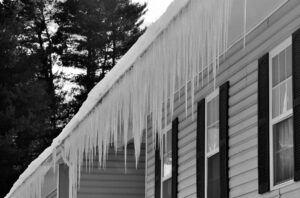

Every spring in Minneapolis, the same thing happens. The snow melts, the temps climb, and homeowners breathe a collective sigh of relief — winter is finally over. But here’s the thing nobody talks about at the neighborhood cookout: that winter just put your roof through the wringer. Months of freeze-thaw cycles, heavy snow loads, ice dams, and brutal wind have a way of leaving marks. Some of them are obvious. Most of them aren’t.
A spring roof inspection isn’t just a good idea — it’s one of the smartest things you can do as a Minneapolis homeowner. Catching a small problem in April is a whole lot cheaper and less stressful than dealing with a full-blown leak in July. This checklist will walk you through exactly what to look for, what it means, and when it’s time to call in the pros.
Key Takeaways:
- Minneapolis winters create unique, serious stress on residential roofs every single year
- Many forms of storm and ice damage are not visible from the ground
- A spring inspection covers shingles, gutters, flashing, attic ventilation, and more
- Some repairs can be handled DIY; structural and storm damage should always go to a licensed contractor
- Four Point Construction offers free inspections for Minneapolis-area homeowners
Why Does Spring Roof Inspection Matter So Much in Minneapolis?
Because Minneapolis winters are genuinely hard on roofs — and the damage isn’t always obvious.
Minneapolis sees some of the most punishing winter weather in the continental United States. We’re talking sub-zero temperatures, heavy snowfall, and ice dams that can silently force water up under your shingles for weeks before you ever notice a stain on your ceiling. According to the Insurance Information Institute, water damage and ice-related roof issues are among the top causes of homeowner insurance claims in cold climates.
By the time spring rolls around, your roof has been working overtime. The repeated freezing and thawing of water near your eaves and valleys is particularly destructive — it expands, contracts, and slowly works its way into any crack, gap, or compromised seal it can find. A spring inspection gives you a clear picture of where things stand before the next storm season begins.
What Should You Check on Your Roof’s Shingles First?
Start with the surface — your shingles tell the first part of the story.
Get your binoculars or safely stand back from your home and scan the roof surface from multiple angles. You’re not necessarily getting on the roof at this stage — you’re looking for anything that stands out. Here’s what to watch for:
- Missing shingles, even just one or two, are an open invitation for water to enter your home
- Curling or cupping at the edges, which indicates age, moisture damage, or poor ventilation
- Cracked or split shingles, often caused by temperature extremes
- Dark patches or streaks, which can signal algae, moss, or areas where granules have worn away
- Excessive granule loss, visible as bare patches or a heavy buildup in your gutters
Granule loss is worth paying special attention to. Those tiny mineral particles aren’t just decorative — they protect the asphalt layer beneath from UV damage and impact. Once they’re gone in a significant area, the clock on that section of your roof starts ticking faster. If you’re seeing widespread granule loss, it may be time to explore residential roofing options before a small problem becomes a big one.
How Do You Know If Your Gutters Survived the Winter?
Your gutters do more for your roof than most people realize — and winter can wreck them quietly.
Gutters aren’t just about managing rain. They protect your fascia, your foundation, and the edges of your roof from water damage. After a Minneapolis winter, they deserve a close look. Walk the perimeter of your home and check for gutters that are sagging, pulling away from the fascia board, or visibly bent. Heavy snow and ice loads can torque them out of shape in ways that aren’t always dramatic but absolutely affect how they function.
Clean out any debris that accumulated over fall and winter, then run water through them with a hose to test flow. If water is pooling in sections, backing up, or spilling over the sides, your gutters may be clogged, misaligned, or damaged. Also check the downspouts — they should be directing water at least three to four feet away from your foundation. If you’re dealing with persistent gutter issues, gutter installation and repair services can make a significant difference in protecting your whole home exterior.
What Is Flashing, and Why Does It Fail in Winter?
Flashing is the thin metal that seals your roof’s most vulnerable joints — and it’s one of the first things to go.
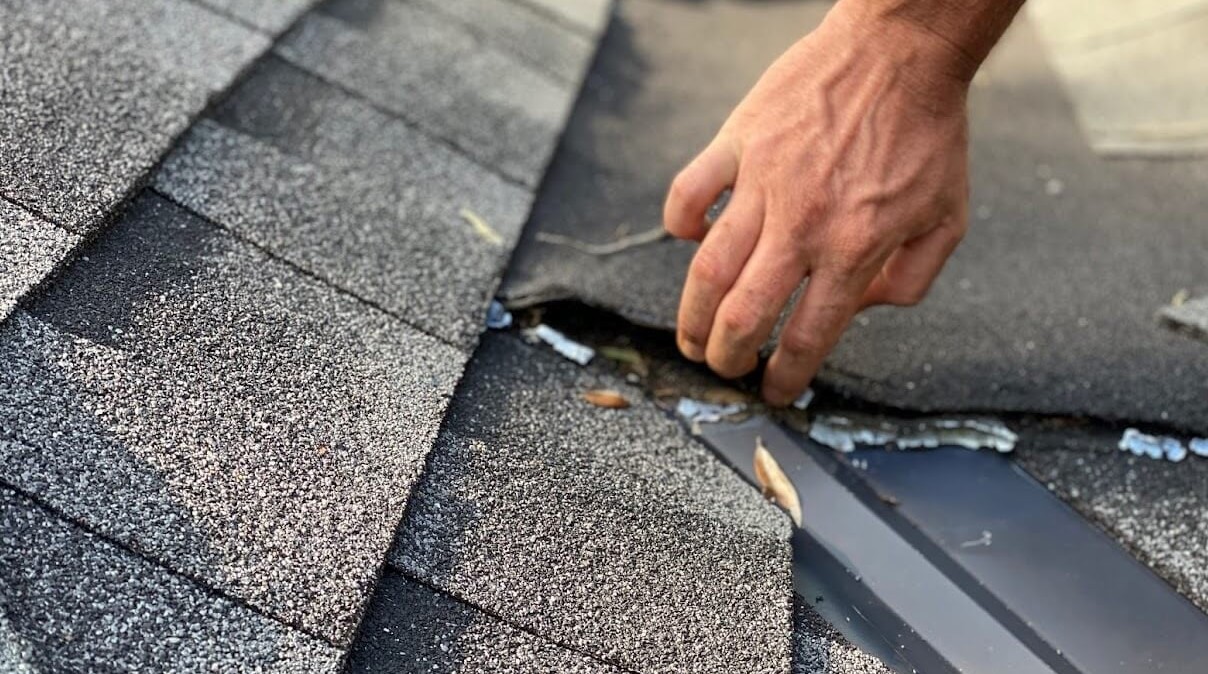
Flashing is installed wherever your roof meets a vertical surface — chimneys, skylights, vent pipes, dormers, and valleys. It’s designed to create a watertight seal, but it’s also one of the first things to loosen, crack, or pull away after a tough winter. The constant expansion and contraction of metal in freezing temperatures gradually weakens the sealant and fasteners holding it in place.
From the ground, look for flashing that appears lifted, bent, or rusted. If you can see gaps between the flashing and the surface it’s sealing, water is likely getting in. Chimney flashing in particular takes a beating in Minneapolis winters, and failed chimney flashing is one of the sneakiest causes of interior water damage — often dripping down inside walls before you ever see it on the ceiling.
Should You Inspect the Attic as Part of a Spring Roof Check?
Absolutely — some of the clearest signs of roof damage show up inside, not outside.
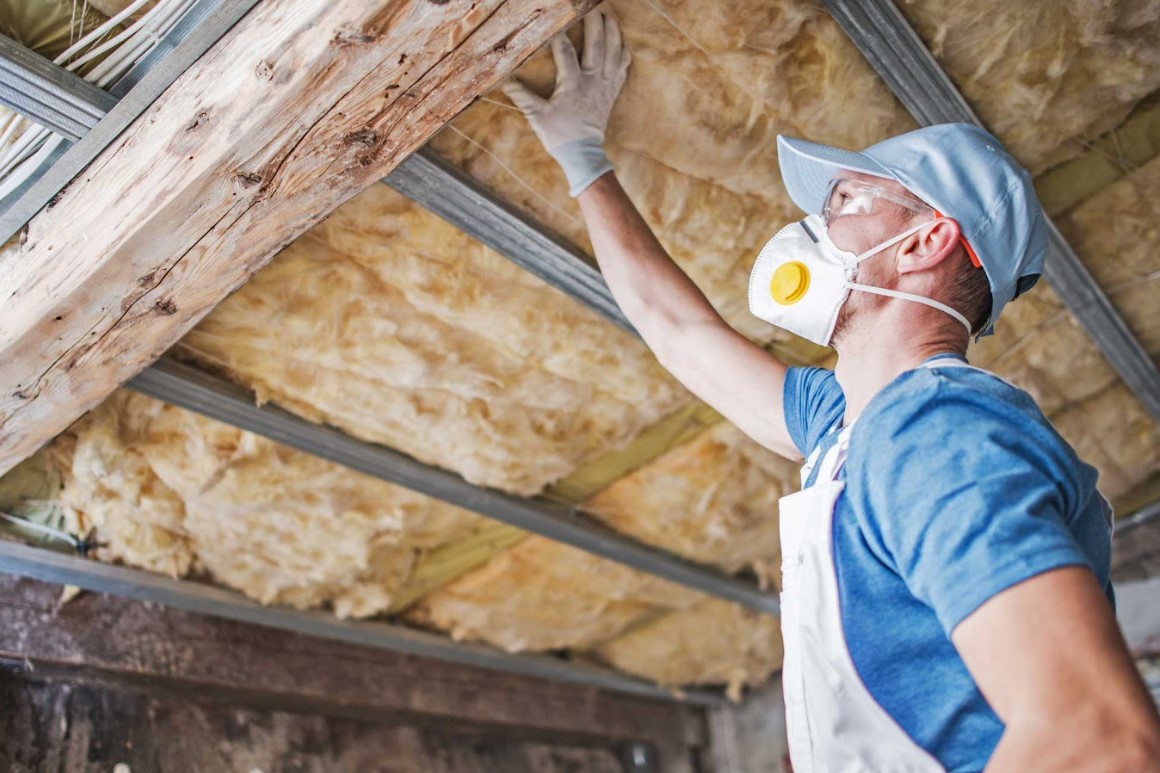
Your attic is basically a diagnostic window into your roof’s health. Grab a flashlight and head up there on a bright day. Here’s what you’re looking for:
- Daylight visible through the roof deck — if you can see light, water can get through
- Water stains or discoloration on the rafters and sheathing
- Mold or mildew, which signals ongoing moisture intrusion
- Frost or condensation buildup on the underside of the roof, pointing to a ventilation problem
- Insulation that looks wet, flattened, or damaged
Poor attic ventilation is a silent culprit in a lot of Minneapolis roof problems. When warm air from your living space gets trapped in an under-ventilated attic, it creates moisture that damages your roof from the inside out. It can also contribute to ice dam formation — a serious issue that the National Roofing Contractors Association identifies as a primary cause of shingle and deck deterioration in northern climates.
What Happens If Your Roof Had Storm Damage This Winter?
Storm damage works differently than regular wear — and it usually requires a professional eye.
Hail and high wind events leave specific, identifiable marks on a roof. Hail hits leave circular impact points on shingles, often knocking off granules in a concentrated pattern. Wind damage typically shows up as lifted or missing shingles, especially along ridges and edges. The tricky part is that both can look minor on the surface while hiding significant structural damage underneath.
If you know your home was in the path of a hail or wind event this past season, don’t rely on a visual inspection alone. This is exactly the kind of situation where a professional storm damage inspection pays for itself. A trained contractor can identify damage that insurance adjusters look for — and help you build a proper claim if the damage qualifies.
Your Roof Questions, Answered Straight
Everything You’ve Been Wondering But Didn’t Know Who to Ask