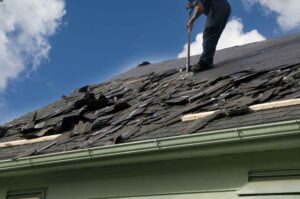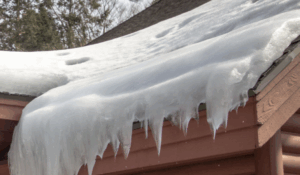

Spring in Blaine hits different when you’re a homeowner. The snow finally clears, the yard wakes back up, and for about five minutes you feel like everything is fine. Then you notice the shingle sitting in the flower bed. Or the water stain on the ceiling that definitely wasn’t there in October. Or the gutters that are hanging at an angle that can only be described as optimistic.
Here’s the thing — none of that is a disaster. It’s just information. And spring is exactly the right time to get that information, act on it, and set your home up for the warmer months ahead. Blaine homeowners deal with some of the toughest seasonal weather in the country, and the roofs over their heads take the brunt of it every single year. A little attention in April or May can prevent a whole lot of trouble come July or the following February.
This guide walks you through what to check, what it means, and how to handle it — practically and without panic.
Key Takeaways:
- Spring is the ideal time to assess winter roof damage before it compounds into something worse
- Blaine’s freeze-thaw cycles create specific, predictable damage patterns worth knowing
- Gutters, shingles, flashing, and attic ventilation are your four core inspection areas
- Some maintenance is genuinely DIY-friendly; structural repairs and storm damage should go to a licensed pro
- Four Point Construction offers free inspections for Blaine and Twin Cities homeowners
Why Is Spring Roof Maintenance So Important for Blaine Homeowners Specifically?
Because Blaine’s climate creates a very specific kind of roof stress — and most of the damage is hiding until you look for it.
Blaine sits in Anoka County, which means it gets the full Minnesota experience: heavy snowfall, sustained sub-zero temperatures, significant freeze-thaw cycling in early spring, and the occasional wind or hail event that rolls through the metro without much warning. Your roof doesn’t get a break from November through March, and by the time the last snow melts, it has earned a thorough look.
The freeze-thaw cycle is the quiet troublemaker that most homeowners don’t fully appreciate. When water — from snow melt or rain — gets into even the smallest crack in a shingle or a gap in your flashing, it freezes overnight and expands. That expansion widens the crack. It thaws, contracts, and more water gets in. Repeat that process for several weeks and what started as a hairline gap becomes a real entry point for moisture. According to the Insurance Information Institute, water damage from weather events consistently ranks among the most common and costly homeowner insurance claims in cold-climate states.
Spring is your chance to catch those gaps before they become leaks — and to fix them before the summer storm season adds another layer of stress to a compromised system.
What Should Blaine Homeowners Check on Their Roof Each Spring?
Start with the five areas most likely to show winter damage — and work through them systematically.
You don’t need to be a roofing contractor to do a useful first pass on your home. A pair of binoculars, a flashlight, and a willingness to walk the perimeter of your house will get you further than most people realize. Here’s what to look for and where:
- Shingles: Look for missing, cracked, curling, or blistering shingles. Pay special attention to the north-facing slopes, which hold moisture and snow longest. Granule loss — bare or thin-looking patches — is a sign that shingles are aging out.
- Flashing: The metal strips around your chimney, skylights, and roof valleys are common failure points. Look for sections that appear lifted, bent, rusted, or separated from the surface they’re meant to seal.
- Ridge line: Walk to a spot where you can see the peak of your roof clearly. It should be straight and even. Any sagging, dipping, or irregularity along the ridge can indicate structural issues beneath the surface.
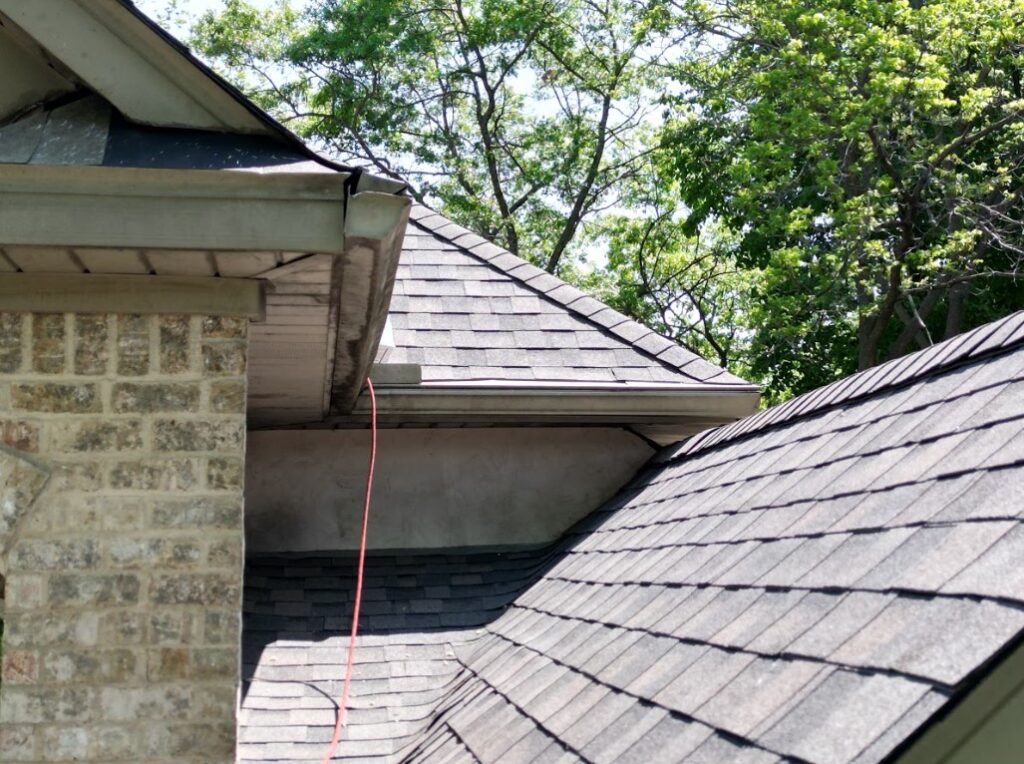
- Fascia and soffits: These are the boards running along the edge of your roof. Peeling paint, soft spots, or rot are signs that moisture has been getting behind them — often because of gutter issues.
- Gutters: Look for gutters that are sagging, pulling away from the fascia, cracked, or visibly bent out of alignment. Also check the downspouts and make sure they’re directing water away from your foundation.
If you’re checking two or more of these areas and finding consistent damage, the conversation moves from maintenance to inspection. That’s a good time to bring in a set of professional eyes.
How Do You Know If Your Gutters Are Causing Roof Damage in Blaine?
Gutters protect your roof’s edges, your siding, and your foundation — when they fail, the damage spreads fast.
One of the most overlooked facts about gutters is how directly they affect your roof’s long-term health. When gutters are clogged, bent, or pulling away from the fascia, water has nowhere to go except backward — under the drip edge and into the roof decking. Over time, that leads to rot, mold, and structural damage that goes far beyond what a gutter cleaning could have prevented.
After a Blaine winter, your gutters have likely dealt with ice dams forming directly above them, heavy snow accumulation, and the weight and pressure of freeze cycles. Check the entire length of each gutter section for visible sag. Run water through them with a garden hose and watch for pooling, backflow, or overflow at any point. If you’re noticing water marks on your siding below the gutter line, that’s a dead giveaway that something isn’t draining correctly.
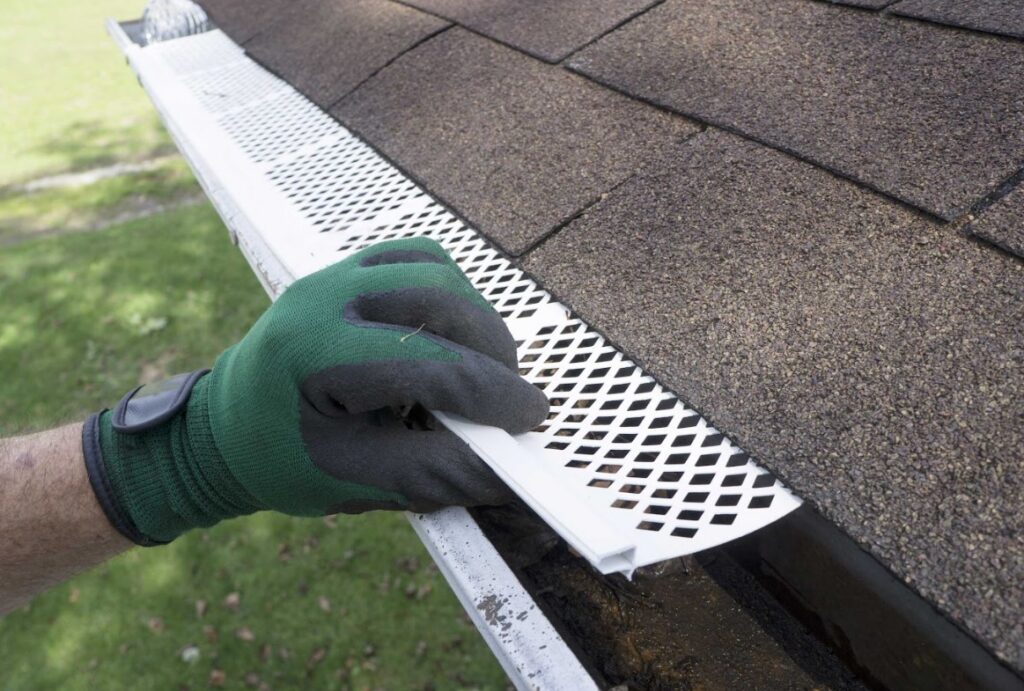
Keeping your gutters in working order is one of the most cost-effective forms of home maintenance you can do. If yours are past the point of cleaning and realignment, gutter installation and replacement is a straightforward fix that pays dividends across your entire home exterior.
Does Your Attic Tell You Anything About Your Roof’s Condition?
More than you’d expect — the attic is where roof damage often announces itself first.
Most homeowners never think to check the attic as part of a roof inspection, but it’s one of the most telling places to look. Grab a flashlight on a bright day and take a few minutes to look around. You’re not doing a structural engineering assessment — you’re just observing.
Look for daylight coming through the roof deck, which means there’s a gap somewhere above. Look for water stains, dark patches, or discoloration on the rafters or sheathing — signs of past or ongoing moisture intrusion. Check the insulation for areas that look wet, compressed, or discolored. And take a breath: if you notice a musty smell, you may be dealing with mold that’s been growing since winter.
Attic ventilation is closely tied to roof health in ways that surprise a lot of homeowners. According to the National Roofing Contractors Association, inadequate attic ventilation is a leading cause of premature shingle deterioration and ice dam formation in northern climates. When warm air from your living space gets trapped in an under-ventilated attic, it creates a cycle of moisture buildup and temperature inconsistency that damages your roof from the inside out — quietly, and for years before you notice.
What Roof Maintenance Can Blaine Homeowners Do Themselves?
Plenty — but knowing where the DIY line ends is just as important as knowing where it begins.
Homeowners can genuinely handle a number of spring maintenance tasks without any roofing experience. Cleaning gutters and downspouts, trimming back tree branches that overhang the roof, clearing debris from valleys and around chimney bases, and doing a thorough visual inspection from the ground are all well within reach. These steps matter and they make a real difference in your roof’s longevity.
Where the line gets drawn is on anything that involves walking on the roof, addressing structural issues, replacing flashing, or assessing damage that goes beyond surface appearance. Roofs are sloped surfaces that require proper safety equipment and technique — and the risk of an untrained person working up there isn’t just about the roof. It’s about personal safety. For anything beyond ground-level maintenance, a licensed contractor is the right call.
If your spring inspection turns up storm damage — hail impacts, wind-lifted shingles, or anything that happened during a specific weather event this past season — professional storm damage repair is the appropriate path. Storm damage also opens the door to an insurance claim, which a qualified contractor can help you document and navigate.