When August rolls into the Twin Cities, it does not mess around. The humidity hangs thick over the Mississippi River, the sun bakes the asphalt, and your central air conditioner starts running a marathon that seems to go on without a finish line. You step inside after mowing the lawn expecting a cool sanctuary, only to find the upstairs bedrooms feeling like a sauna. Then, a few weeks later, you open the utility bill and get hit with the real thermal shock.
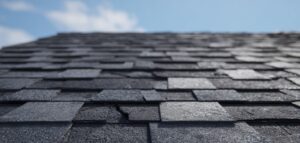
Standard asphalt shingles act like giant sponges for solar radiation. They soak up that blazing midday sunlight, heat up to a scorching 150 degrees or more, and slowly radiate that intense energy straight down into your attic and living spaces. Your air conditioner ends up fighting a losing battle against your own ceiling.
Upgrading to a modern metal roofing system changes the game completely. Instead of absorbing thermal energy, reflective metal panels bounce solar heat back into the sky before it ever touches your home’s framework. Let us break down how this technology works, how much money it keeps in your pocket, and why it is one of the smartest investments a Minnesota homeowner can make.
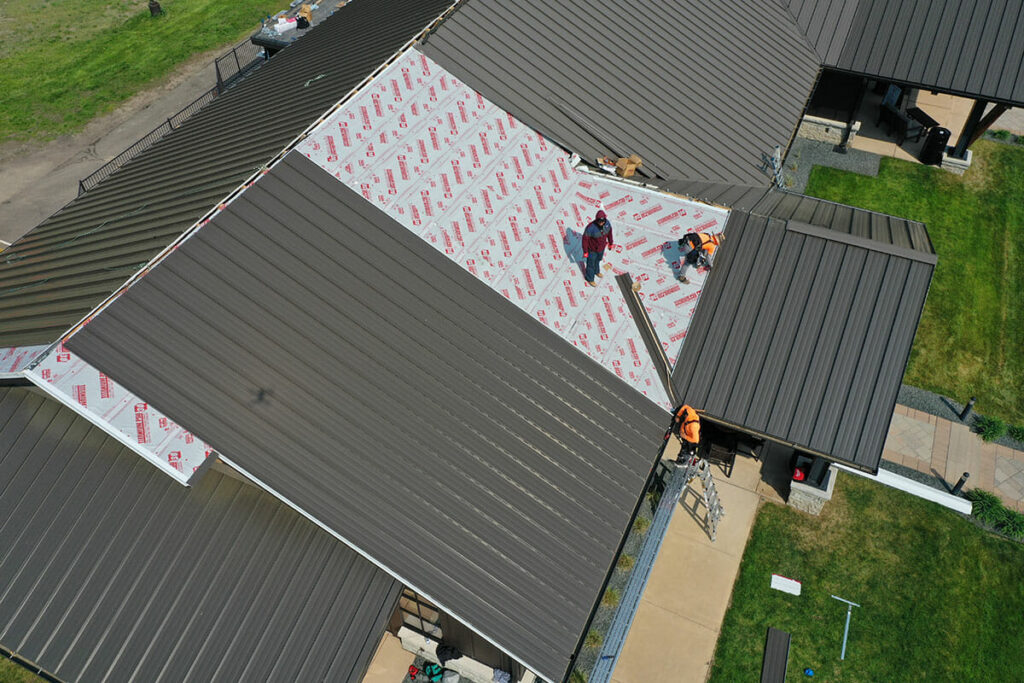
Key Takeaways
- Reflective Technology: Cool metal roofing reflects up to 70% of solar radiation away from your living space, keeping attic temperatures drastically cooler.
- Real Utility Savings: Homeowners can reduce summer cooling costs by up to 30% by replacing heat-trapping traditional shingles.
- All-Season Performance: Beyond summer heat reflection, metal roofs shed snow and ice effortlessly while resisting severe summer hail.
- Long-Term ROI: With a lifespan ranging from 40 to 70 years, metal panels outlast asphalt two to three times over.
How Does a Metal Roof Reflect August Heat Away From Your Home?
Modern reflective metal panels act as a sunshield, preventing solar radiation from baking your attic.
Traditional dark asphalt shingles trap thermal heat. Under a direct 90-degree August sun, dark shingles absorb solar radiation and hold onto it long after the sun goes down. That trapped energy bleeds through your roof deck and heats up your attic insulation. Once that thermal mass is hot, it acts like a giant radiator sitting right above your top-floor bedrooms.
Modern metal roofing systems operate on an entirely different scientific principle. They are engineered with specialized reflective pigments—often called “cool roof” coatings—that bounce radiant energy away from the surface.
- High Solar Reflectance: Standard asphalt reflects only 5% to 15% of light, while cool metal surfaces reflect up to 70% of solar energy away from your home.
- Thermal Emittance: Metal releases absorbed heat rapidly back into the surrounding air rather than transferring it downward into your wood framing.
- Ventilation Space: Standing seam and panel installations create a natural airflow channel beneath the metal, carrying away residual warmth before it reaches your insulation.
When you drastically reduce attic temperatures, your air conditioning system does not have to work overtime to keep the house comfortable. That means immediate relief for both your thermostat and your monthly energy bill. You can learn more about how different materials handle heat by exploring our full range of residential roofing options.
Can Upgrading to Metal Really Cut Cooling Costs by Up to 30%?
Reflected solar energy means your air conditioner runs less, lowering electric bills right away.
The short answer is yes. According to data from the U.S. Department of Energy, cool-coated roofing materials can reduce peak cooling demand by 10% to 15%, with energy savings reaching up to 30% in high-heat situations.
Think about how your air conditioner works. When the temperature inside your house rises above your set target, the compressor kicks on and pulls heavy electric current. If your attic is sitting at 140 degrees because of hot asphalt shingles, heat constantly leaks into your home through the ceiling. Your AC unit has to run longer cycles to keep up.
By installing high-performance metal roofing in Minneapolis, you lower the attic temperature significantly. Less heat infiltration means your HVAC system cycles off much faster and stays off longer. Over a hot Minnesota summer, those saved kilowatt-hours add up to substantial cash left in your bank account.
- Traditional Asphalt Shingles: Heat absorption rate above 85%, driving attic temperatures up to 140°F or higher and forcing AC units to run non-stop.
- Reflective Metal Roofing: Solar reflection up to 70%, keeping attic temperatures near ambient outdoor levels and lowering energy bills by up to 30%.
What Type of Metal Roof Works Best for Minnesota Weather?
Standing seam and coated aluminum panels give you maximum energy efficiency and storm defense.
Not all metal roofs are built the same, and picking the right system for our harsh northern climate is crucial. You need a setup that bounces off summer heat while standing tough against winter snow drifts, severe hail, and high winds.
Here are the top options to consider for your property:
- Standing Seam Systems: These feature concealed fasteners and raised interlocking seams. They offer an ultra-clean, modern aesthetic and zero exposed screws, making them virtually leak-proof against heavy rains and melting snow.
- Aluminum Panels: Exceptionally lightweight and completely rust-proof, aluminum is a fantastic choice if you want maximum solar reflection and high corrosion resistance.
- Coated Steel Roofing: Heavy-gauge steel provides superior structural strength against severe hail storms and high winds up to 140 mph. Coated with reflective finishes, steel balances rugged durability with great summer performance.
- Metal Shingles: If you love the traditional look of dimensional shingles or slate but want the thermal benefits and longevity of metal, stamped metal shingles give you the best of both worlds.
If you are trying to weigh the pros and cons of panel styles, take a look at our guide on comparing metal roofing systems to find the best fit for your home’s architecture.
Does a Metal Roof Protect Your Home During Cold Minnesota Winters?
Metal sheds heavy snow naturally, helps prevent ice dams, and locks in warmth when temperatures plunge.
It is easy to focus on summer heat when August has you sweating, but Minnesota winters are no joke. A roof needs to perform 365 days a year. The great news is that the same qualities that make metal great in August make it an absolute tank in January.
When snow piles up on asphalt shingles, the rough texture holds onto that heavy weight. Heat escaping from an under-insulated attic melts the bottom layer of snow, causing water to run down to the cold eaves and freeze into damaging ice dams. Metal panels have a smooth surface that allows snow to slide off safely before it can build up into a heavy structural hazard or freeze into an ice dam.
Furthermore, when paired with proper attic ventilation and insulation, a tightly sealed metal roof keeps your heated indoor air right where it belongs—inside your living space. That means year-round savings on your utility bills, whether you are running the air conditioner or cranking up the furnace.
What Is the Long-Term Financial Value of Upgrading to Metal?
A metal roof lasts up to 70 years, boosts resale value, and lowers maintenance costs.
A high-quality metal roof is an investment in your home’s future. While the initial installation cost is higher than basic asphalt, the long-term financial picture tells a compelling story.
- Unmatched Lifespan: Asphalt shingles need complete replacement every 15 to 20 years, meaning two to three full roof jobs over 40 years. A professionally installed metal roof lasts 40 to 70 years with minimal upkeep, making it a single lifetime purchase.
- Increased Home Value: According to building industry research from the National Association of Realtors, homeowners often recoup a substantial portion of their metal roof investment in added property resale value. Buyers love knowing they will not have to replace a roof anytime soon.
- Potential Insurance Discounts: Because metal is fire-resistant and highly resistant to hail and wind, many home insurance providers offer premium discounts for metal installations.
When you stack up the summer energy savings, winter peace of mind, and freedom from constant repairs, metal yields serious returns for decades to come.
Got Questions About Metal Roofing? We Have Answers.
How loud is a metal roof when it rains or hails?
This is one of the most common myths out there. When installed over solid wood decking with standard attic insulation, a metal roof is no louder than a traditional asphalt shingle roof during a rainstorm. The solid underlayment deadens the sound completely.
Will a metal roof attract lightning during summer storms?
No, metal roofs do not increase your chances of being struck by lightning. Lightning strikes the highest point in a given area, regardless of material. In fact, because metal is non-combustible, it is actually safer than traditional materials if lightning were to strike nearby.
Is a metal roof too heavy for an older Twin Cities home?
Surprisingly, metal panels are actually lighter than standard asphalt shingles and much lighter than tile or slate. They place less structural stress on your rafters and support walls, making them ideal for historic Twin Cities homes as well as modern builds.
Can you walk on a metal roof if you need to do maintenance?
Yes, you can walk on a metal roof, but you need to take proper precautions and wear soft-soled shoes. It is always best to let trained professionals handle any inspections or maintenance on high-sloped surfaces to protect both your safety and the panel finish.
Cool Down Your Home with Four Point Construction
You do not have to spend another Minnesota summer sweating over high utility bills and an overworked air conditioner. Upgrading your home with a beautiful, high-efficiency metal roof gives you total protection against extreme weather, slashes your energy costs, and adds lasting curb appeal to your property.
At Four Point Construction, we bring over two decades of hands-on experience to every project across the Twin Cities metro area. We take pride in honest craftsmanship, clear communication, and installing top-quality materials built to handle whatever Minnesota throws our way.
Ready to beat the heat for good? Contact our expert team today to schedule your free roof evaluation and start saving!