
Winter has a funny way of being quiet about the damage it causes. Snow looks harmless sitting up there. Ice seems solid, even protective. But season after season, those frozen layers can quietly shave years off your roof’s lifespan. Homeowners in cold climates often don’t realize there’s a problem until water shows up where it absolutely doesn’t belong.
This guide breaks down exactly how snow and ice affect your roof over time—and more importantly, what you can do to slow the damage, protect your investment, and avoid costly surprises.
Key Takeaways: What Should You Know Right Away?
- Snow weight and ice buildup create long-term structural stress
- Freeze-thaw cycles are one of the biggest threats to roofing materials
- Ice dams are more than a nuisance—they’re a leak waiting to happen
- Good insulation and ventilation protect your roof year-round
- Preventative maintenance adds years to your roof’s life
Why Do Snow and Ice Affect Roof Lifespan at All?
What makes winter conditions so hard on roofs?
Snow and ice don’t damage roofs in one dramatic moment. They work slowly, quietly, and repeatedly. The biggest issue is weight and moisture. Snow adds load to your roof structure, and when it melts and refreezes, water finds its way into seams, cracks, and weak points.
In a place like Minneapolis, where winters are long and temperatures swing above and below freezing, roofs are exposed to constant expansion and contraction. Over time, that movement wears materials down and accelerates aging.
How Does Snow Load Stress Your Roof Over Time?
Can heavy snow actually weaken roof structures?
Yes—and not just during record-breaking storms. Even average snowfall adds hundreds or thousands of pounds of weight. While roofs are built to handle snow loads, repeated stress year after year contributes to gradual weakening.
Snow load can:
- Compress insulation, reducing energy efficiency
- Stress roof decking and framing
- Exacerbate existing structural issues
The danger increases when snow becomes saturated with melting water, which weighs far more than fresh powder.
Why Are Freeze-Thaw Cycles So Destructive?
How does melting and refreezing cause long-term damage?
During the day, snow melts slightly from sun exposure or attic heat. At night, temperatures drop and that water freezes again. This constant freeze-thaw cycle forces water deeper into roofing materials.
Over time, this leads to:
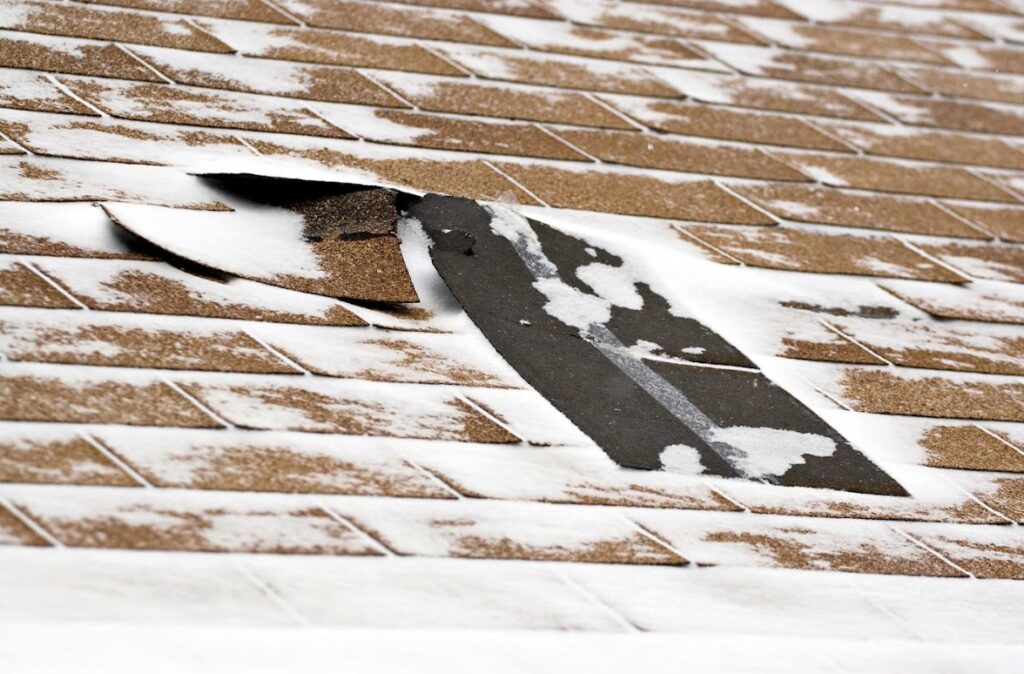
- Cracked shingles
- Loosened fasteners
- Damaged flashing
- Premature material failure
It’s not one bad winter that shortens a roof’s life—it’s many average ones.
What Are Ice Dams and Why Are They Such a Big Problem?
How do ice dams actually damage your roof?
Ice dams form when snow melts near the top of the roof and refreezes at the colder eaves. As ice builds up, it traps water behind it. That water has nowhere to go except under shingles and into your home.
Ice dams commonly cause:
- Roof leaks and ceiling stains
- Mold growth inside walls
- Rotting roof decking
- Damaged insulation
Once ice dams become a pattern, roof lifespan drops fast.
How Does Ice Affect Roofing Materials Directly?
Do different roofing materials respond differently to ice?
Absolutely. Asphalt shingles can become brittle in extreme cold. Metal roofs expand and contract rapidly. Even underlayment and flashing are affected by prolonged ice exposure.
Ice causes:
- Granule loss on shingles
- Cracking and splitting
- Separated seams
- Compromised waterproof barriers
The older the roof, the less forgiving these materials become.
Can Snow and Ice Damage Gutters and Impact the Roof?
Why do gutters matter more in winter than you think?
Gutters weighed down by ice can pull away from the roofline. When that happens, water no longer drains properly, increasing ice dam risk and moisture exposure along the eaves.
Common winter gutter issues include:
- Ice-filled downspouts
- Sagging or detached gutters
- Water backing up onto the roof edge
Gutter problems often start small but play a big role in roof deterioration.
What Can Homeowners Do to Reduce Winter Roof Damage?
Which preventative steps actually make a difference?
You can’t stop winter, but you can limit its impact. The most effective solutions focus on heat control, moisture management, and regular inspections.
Here are proven ways to protect your roof:
- Improve attic insulation to reduce heat loss
- Ensure proper attic ventilation
- Seal air leaks that warm roof surfaces
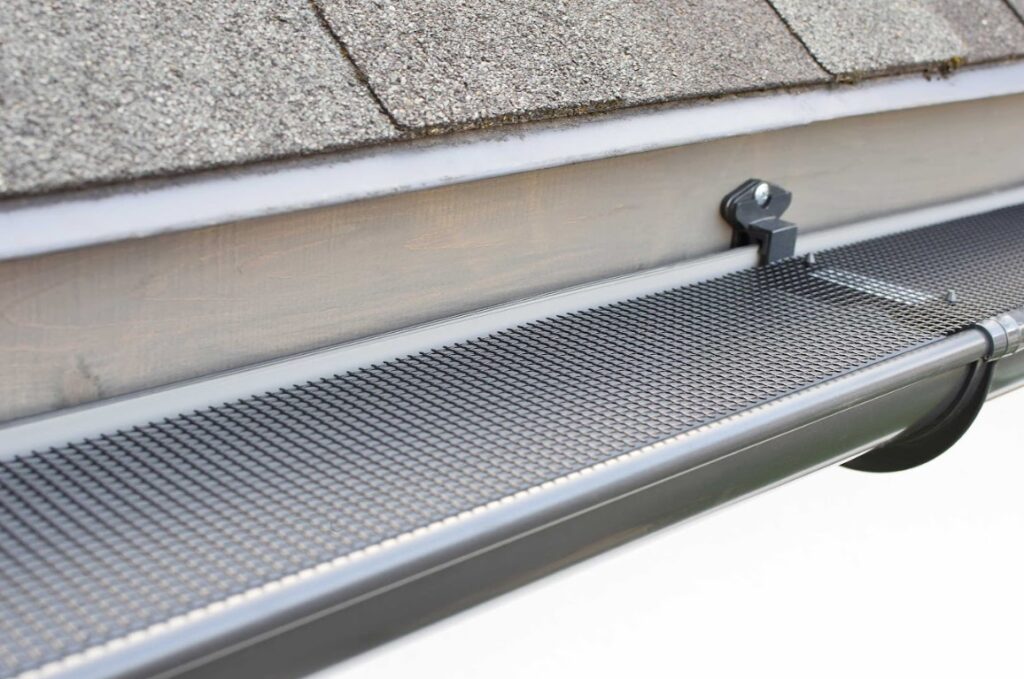
- Keep gutters clear before winter
- Address small roof issues early
These steps don’t just prevent damage—they extend your roof’s usable life.
Does Insulation Really Affect Snow and Ice Problems?
How does attic insulation protect your roof?
Good insulation keeps warm air inside your home, where it belongs. When heat escapes into the attic, it warms the roof surface, melting snow unevenly and fueling ice dam formation.
Proper insulation:
- Maintains consistent roof temperatures
- Reduces snow melt and refreeze cycles
- Improves energy efficiency
- Lowers heating costs
It’s one of the most overlooked but impactful upgrades homeowners can make.
Should You Remove Snow From Your Roof?
When is snow removal actually necessary?
In most cases, snow can stay put. But after heavy storms or during long cold stretches, removal may be smart—especially on older roofs or low-slope areas.
Snow removal is recommended when:
- Snow accumulation is unusually heavy
- Ice dams begin forming
- Structural sagging is visible
Always use professionals or proper tools to avoid damaging shingles or risking injury.
How Often Should Roofs Be Inspected in Cold Climates?
When is the best time to check for winter damage?
Ideally, roofs should be inspected in the fall before winter starts and again in spring after snow and ice have cleared. These inspections catch issues before they turn into expensive repairs.
A professional inspection can identify:
- Weak flashing
- Early shingle damage
- Ventilation problems
- Ice dam risk factors
Think of it as preventative care for your roof.
Winter Wisdom: Questions Homeowners Ask Every Year
What are the most common concerns about snow and ice damage?
Does snow sitting on my roof shorten its lifespan?
Yes. Prolonged snow load and moisture exposure contribute to faster aging over time.
Are ice dams a sign I need a new roof?
Not always. They usually point to insulation or ventilation issues rather than roof failure.
Can metal roofs handle snow and ice better?
Metal sheds snow well, but it still needs proper insulation and snow retention systems.
How many years does winter typically take off a roof’s life?
Without proper care, harsh winters can reduce lifespan by 20–30 percent.
How Do You Know When Winter Damage Has Gone Too Far?
What signs should never be ignored?
Persistent leaks, sagging rooflines, missing shingles, and repeated ice dam issues often signal deeper problems. If winter damage keeps returning, repairs may no longer be enough.
A professional assessment helps determine whether targeted repairs or replacement makes the most sense.
Strong Roofs, Smart Winters, Fewer Surprises Ahead
Snow and ice are part of life in Minneapolis—but roof damage doesn’t have to be. With the right preventative steps, smart maintenance, and experienced professionals on your side, your roof can stand up to winter year after year.
If you’re concerned about winter damage or want to protect your roof before the next cold snap, contact Four Point Construction in Minneapolis. Their team understands how snow and ice affect roofs in northern climates and delivers solutions that extend roof life and protect your home.
Winter will do what it does. The right roof makes sure it doesn’t win.