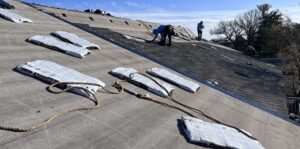

How Long Does an Asphalt Shingle Roof Last in Minnesota? What Every Homeowner Needs to Know
Your roof is not something you think about until you have to. That’s just human nature. It does its job quietly for years, keeping rain, snow, and wind where they belong, which is outside. But at some point, every roof starts sending signals that its best days are behind it. In Minnesota, those signals can come sooner than you’d expect, because this climate does not go easy on a roof.
If you have asphalt shingles, you’re in good company. They’re the most popular roofing material in the country for a reason: they’re affordable, durable, and they handle a wide range of weather conditions. But “durable” doesn’t mean “forever,” and Minnesota’s combination of brutal winters, hail-heavy summers, and dramatic temperature swings puts shingles through more stress than most climates ever will.
So how long do they actually last here? The honest answer depends on several factors, and understanding them could save you from a premature replacement or, on the flip side, from waiting too long on a roof that’s already failing.
Key Takeaways
- Most asphalt shingle roofs in Minnesota last between 20 and 30 years, though some premium products can push closer to 40
- Minnesota’s freeze-thaw cycles, hail seasons, and ice dams all shorten shingle lifespan compared to milder climates
- Regular inspections and maintenance are the single biggest factor in getting the most out of your roof
- Granule loss, curling, and cracking are the clearest signs your shingles are nearing the end
- Replacing an aging roof before it fails is almost always less expensive than repairing water damage after it does
How Long Do Asphalt Shingles Actually Last?
Most Minnesota roofs last 20 to 30 years, but your mileage will vary
The industry-standard lifespan for a standard three-tab asphalt shingle is around 20 to 25 years. Architectural shingles, which are thicker and built with a dimensional layered look, typically last 25 to 30 years. Premium designer shingles can carry manufacturer warranties of 30 to 50 years under the right conditions.
Here’s the catch: those numbers assume a reasonably temperate climate with moderate weather exposure. Minnesota is not that. The Twin Cities area alone averages around 50 inches of snow per year, and the state regularly sees hail events, high wind storms, and temperature swings that can go from below zero in January to 90 degrees in July. That kind of thermal stress causes shingles to expand and contract repeatedly over decades, and it adds up.
A realistic lifespan for an asphalt shingle roof in this region is 20 to 28 years for standard products and up to 35 years for premium architectural shingles with consistent maintenance. Push past those ranges without regular inspections, and you’re likely dealing with a roof that’s working much harder than it looks.
What Makes Minnesota So Hard on Roofing Materials?
Ice, heat, hail, and freeze-thaw cycles are your roof’s biggest enemies
If you want to understand why Minnesota shortens shingle lifespans, you have to look at what the climate actually does to a roof over time. It’s not any one weather event that causes problems. It’s the relentless combination of all of them.
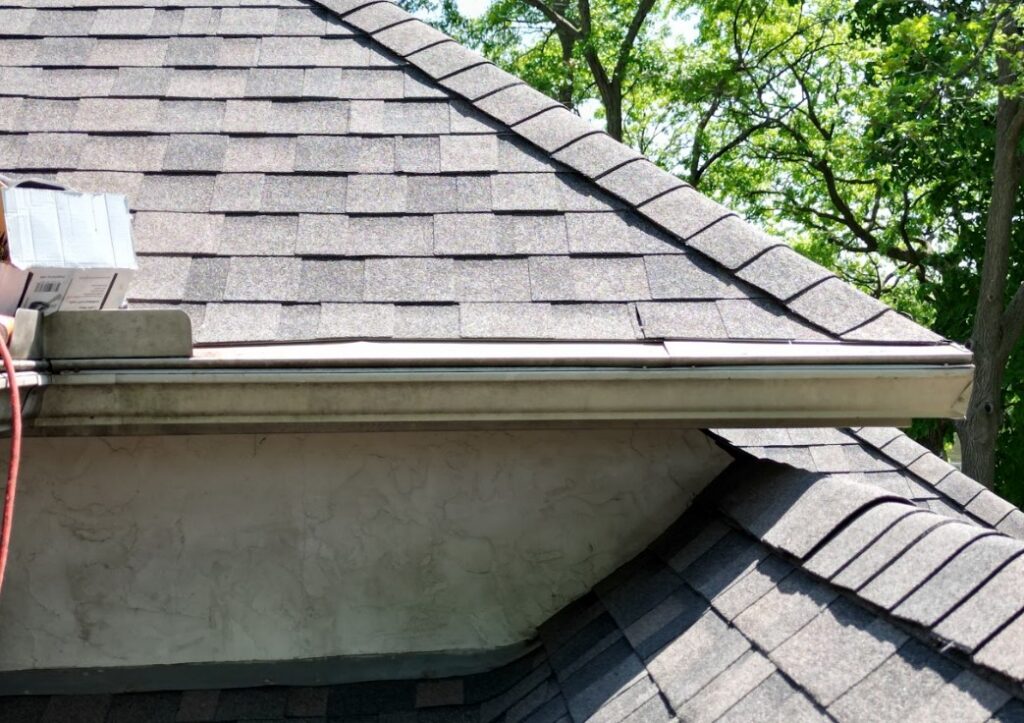
Ice dams are one of the most damaging and overlooked threats to Minnesota roofs. When heat escapes through an under-insulated attic, it melts snow on the roof’s surface. That water runs down and refreezes at the cold edges, forming a dam. Backed-up water then forces its way under shingles and into the roof deck, causing rot, mold, and interior water damage. According to the University of Minnesota Extension, ice dams are a leading cause of roofing and structural damage across the state.
Hail is the other major factor. Minnesota sits in a region prone to large hail events during spring and summer storms. Hail knocks granules off shingle surfaces, and those granules are not decorative. They protect the asphalt layer beneath from UV degradation. Once they’re gone, shingles age dramatically faster.
Add in the freeze-thaw cycle, which can happen dozens of times in a single winter, and you’ve got a material that’s constantly flexing, cracking, and sealing itself back together in ways that weaken it year after year.
How Do You Know When It’s Time to Replace Your Roof?
Watch for these warning signs before a small problem turns into a big repair bill
Knowing what to look for is half the battle. You don’t need to be a roofing expert to spot the signs that your shingles are reaching the end of their useful life. Here’s what to pay attention to:
- Granule loss showing up as dark, bare spots on shingles or large amounts of granules collecting in your gutters
- Curling or cupping at shingle edges, where corners lift away from the roof deck
- Cracking or brittleness across the shingle surface, particularly after cold weather
- Missing shingles that keep reappearing after storms, which signals the rest of the roof is not far behind
- Sagging anywhere along the roof line, which points to a compromised deck underneath
- Daylight visible through the attic, or water stains on attic insulation and rafters
- A roof that’s already 20-plus years old with no history of major repairs or inspections
If you’re checking multiple boxes on that list, it’s time for a professional evaluation. A thorough residential roofing inspection will give you a clear picture of what you’re working with and what your options are, whether that’s targeted repair or a full replacement.
What Can You Do to Extend the Life of Your Asphalt Shingles?
Consistent maintenance is the closest thing to free money in home ownership
You can’t stop time, and you can’t change Minnesota’s weather. But you can absolutely influence how long your roof lasts through regular, proactive care.
Start with annual inspections, ideally in spring after winter stress and again in fall before snow season. Professional inspections catch minor issues like lifted flashing, worn sealant, and small shingle cracks before they become water infiltration problems. Pair those inspections with clean gutters and downspouts that direct water away from your foundation, and you eliminate one of the most common paths for moisture damage.
Good attic ventilation and insulation also make a measurable difference. A properly ventilated attic keeps your roof deck at a more stable temperature, reducing the thermal expansion and contraction that stress shingles over time. It also directly reduces your risk of ice dams. If your home is older and you haven’t had your attic evaluated recently, that’s worth putting on the list.
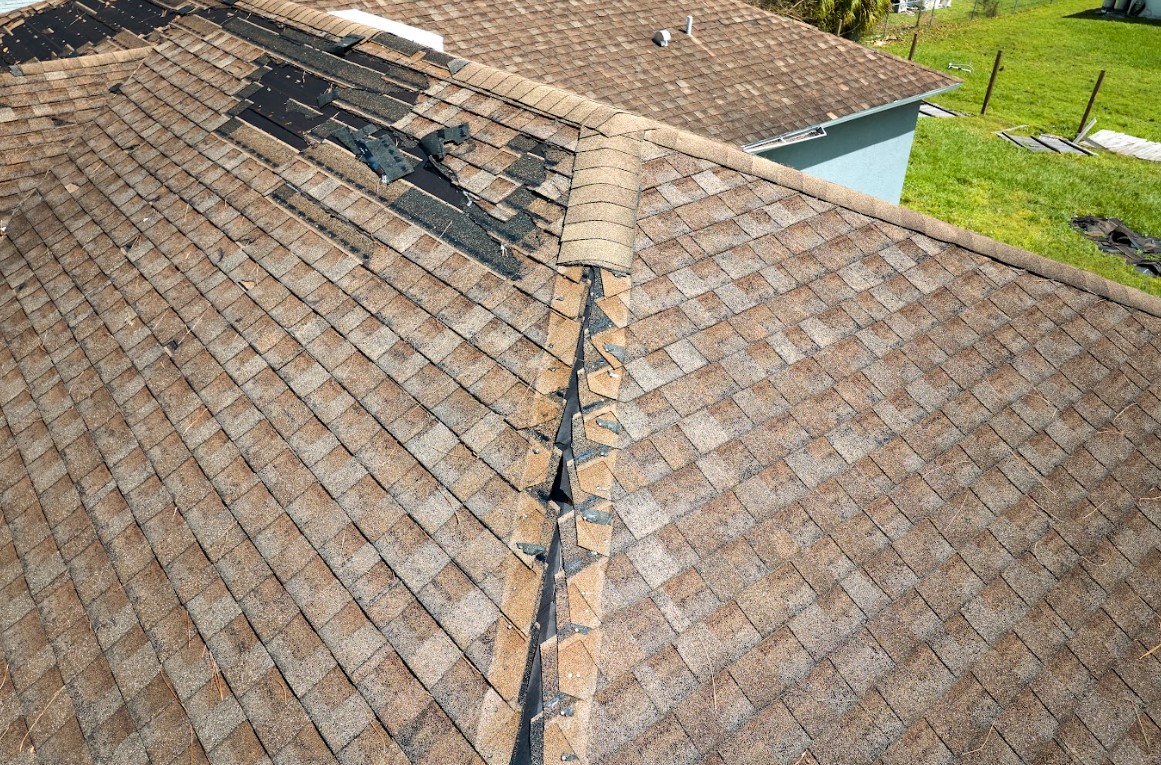
When damage does occur, address it quickly. A storm damage repair handled promptly costs a fraction of what interior water damage remediation runs. Waiting is almost never the right call.